
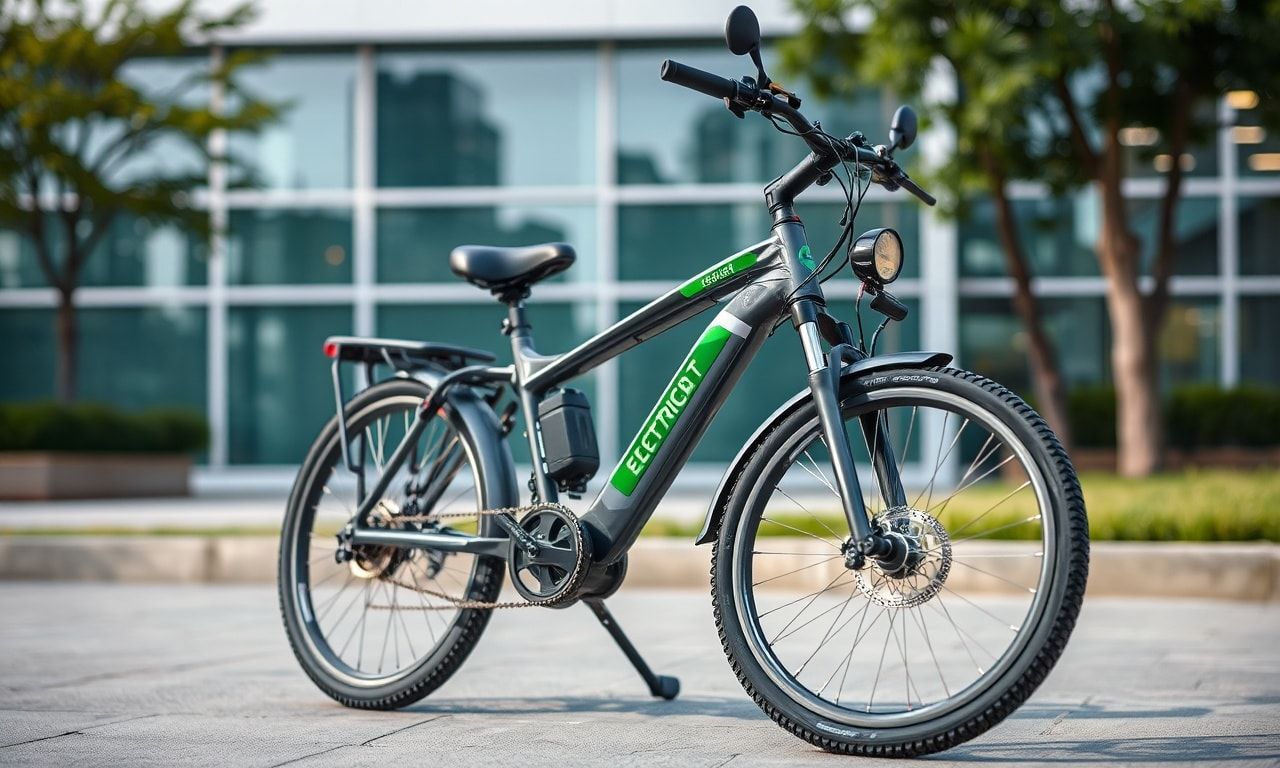
The Global Shift Towards Electric Bikes
The world is witnessing a significant shift in transportation preferences, with electric bikes (e-bikes) emerging as a popular choice for commuters and enthusiasts alike. This surge in popularity can be attributed to several factors, including environmental consciousness, technological advancements, and the desire for cost-effective transportation solutions.
According to recent studies, the global e-bike market is projected to reach $46.9 billion by 2026, growing at a compound annual growth rate (CAGR) of 7.9% from 2019 to 2026. This growth underscores the increasing acceptance and integration of e-bikes into daily life, particularly in urban areas where traffic congestion and pollution are pressing issues.
Governments worldwide are also playing a pivotal role in promoting e-bike adoption through subsidies, tax incentives, and the development of bike-friendly infrastructure. For instance, countries like the Netherlands and Denmark have long been champions of cycling culture, and their policies continue to inspire other nations to follow suit.
The Environmental Impact of E-Bikes
One of the most compelling reasons for the rise of e-bikes is their positive environmental impact. E-bikes produce zero emissions, making them an eco-friendly alternative to traditional gasoline-powered vehicles. This is particularly significant in cities where air pollution levels are critically high.
In addition to reducing air pollution, e-bikes also help decrease noise pollution. The quiet operation of e-bikes contributes to a more peaceful urban environment, enhancing the quality of life for residents. Furthermore, the production and disposal of e-bikes have a lower environmental footprint compared to cars, making them a sustainable choice for the future.
For those interested in exploring the world of e-bikes, it’s essential to consider factors such as affordability and quality. Websites like electric bike reviews for affordability and quality provide comprehensive reviews and comparisons, helping consumers make informed decisions.
The Health Benefits of E-Biking
Beyond their environmental benefits, e-bikes offer numerous health advantages. Riding an e-bike provides a low-impact form of exercise that can improve cardiovascular health, build muscle strength, and enhance overall fitness. The pedal-assist feature of e-bikes makes cycling accessible to a broader range of individuals, including those who may find traditional biking challenging due to age or physical limitations.
Regular e-biking can also help manage weight, reduce stress, and improve mental health. The combination of physical activity and exposure to nature has been shown to boost mood and reduce symptoms of anxiety and depression. As a result, e-biking is not only a mode of transportation but also a pathway to a healthier lifestyle.
Economic and Social Benefits
The adoption of e-bikes brings economic benefits as well. For individuals, e-bikes are a cost-effective transportation option, with lower maintenance costs and no need for expensive fuel. This can result in significant savings over time, making e-bikes an attractive alternative to cars.
From a societal perspective, the widespread use of e-bikes can reduce traffic congestion, lower healthcare costs associated with pollution-related illnesses, and create jobs in the manufacturing and maintenance sectors. Additionally, e-bikes promote a sense of community and social interaction, as cycling often involves shared paths and public spaces.
The Future of E-Bikes
As technology continues to advance, the future of e-bikes looks promising. Innovations in battery technology are extending the range and lifespan of e-bikes, making them even more practical for daily use. Smart features, such as GPS navigation and connectivity with smartphones, are also enhancing the user experience.
Moreover, the integration of e-bikes into public transportation systems is gaining traction. Many cities are implementing bike-sharing programs that include e-bikes, providing residents with flexible and convenient transportation options. This trend is expected to continue as urban planners seek sustainable solutions to address the challenges of modern city living.
In conclusion, the rise of electric bikes represents a transformative shift in how we approach transportation. With their environmental, health, and economic benefits, e-bikes are poised to play a crucial role in shaping the future of sustainable mobility. As more people embrace this technology, we can expect to see a cleaner, healthier, and more connected world.