
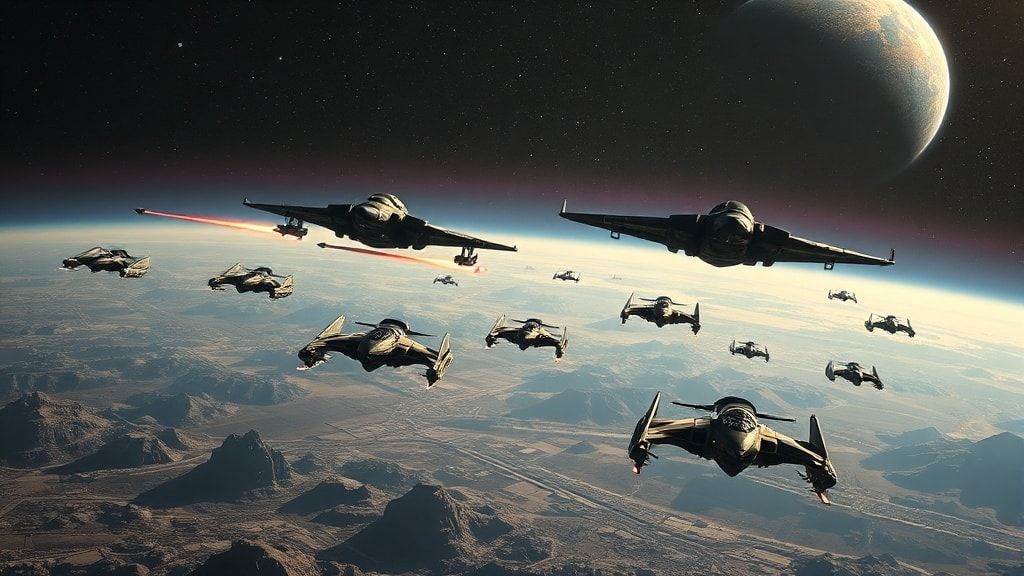
When civilizations extend beyond their home planets, conflict inevitably follows. Across the vast, star-studded expanse of the galaxy, battles for supremacy unfold on a scale both monumental and mind-boggling. These are not mere skirmishes — they are epic confrontations blending advanced technology, strategic genius, and human willpower. Understanding the dynamics behind these cosmic wars offers insight into how power is contested in the final frontier.
Today, space warfare transcends science fiction, becoming a critical focus within the realms of defense and geopolitics. Games like OGame Space War illustrate the complexities players face when commanding fleets and managing resources — a virtual preview of real-world challenges. But beyond simulation lies the reality of interstellar tactics, weaponry, leadership, and the long shadows these battles cast on future generations.
This article examines the forces driving the rise of galactic powers, explores the cutting-edge technologies that shape how wars are fought in the void, and considers the human elements that tip the balance between victory and defeat. From the heat of battle to the aftermath, readers will gain a clear picture of space warfare’s evolving strategies and what they signal about humanity’s place among the stars.
The Rise of Galactic Powers: Who's Leading the Charge?
In the vast expanse of space, newly emerging galactic powers are reshaping the dynamics of cosmic conflict. Nations and factions once considered minor players now wield significant influence, often through advanced technology and aggressive resource acquisition strategies. This shift has turned the spotlight on who is truly leading the charge in interstellar warfare, forcing traditional powerhouses to adapt rapidly. Notably, the strategies observed in popular simulations, such as those found in OGame Battaglia Gioco, provide useful insights into how these entities manage fleets, alliances, and resource logistics.
- ✅ Monitor alliance formations, as they indicate shifts in power balance.
- ⚡ Focus on resource-rich sectors that fuel expansion and fleet production.
- 💡 Analyze fleet composition for clues on offensive vs. defensive priorities.
Among the leading contenders, several stand out due to their relentless expansion tactics and technological advancements. These groups invest heavily in research, enhancing their combat capabilities and economic output. With space war games reflecting real-world tactics, players can observe how commanding control over critical sectors not only boosts military strength but also secures supply lines and strategic positioning.
| Galactic Power | Key Strengths | Known Strategies |
|---|---|---|
| Faction Alpha | Advanced AI Drones | Hit-and-run attacks, rapid expansion |
| Federation Beta | Strong Defensive Shields | Fortification of key sectors, alliance building |
| Coalition Gamma | Resource Extraction Efficiency | Economic warfare, cutting supply chains |
Understanding these emerging powers is essential for anticipating future conflicts and shifts in the intergalactic order. Their evolving tactics and technologies illustrate a new era of warfare that blends economic might with military prowess, emphasizing flexibility and innovation over brute force.
💡 Pro Tip: Observing trends in games like OGame Max War can provide real-world analogues to how galactic powers develop strategies and manage resources effectively in the heat of battle.
Weaponry in the Void: How Tech Shapes Cosmic Conflict
In the vast emptiness of space, advanced weaponry determines the outcomes of galactic clashes. Starships are equipped with a variety of systems, from devastating plasma cannons to rapid-fire railguns, each designed to exploit enemy weaknesses. The rapid progression in tech means that battles evolve constantly, with commanders adapting strategies to newly developed tools. For instance, energy shields can absorb massive damage but require precise timing to deploy effectively, affecting both offense and defense dynamics.
- ✅ Prioritize versatile weapons that can switch between long-range and close combat
- ⚡ Integrate electronic warfare systems to disrupt enemy targeting
- 💡 Employ stealth tech for surprise maneuvers, especially in asteroid fields where visibility is reduced
One of the key elements shaping these conflicts is the role of drones and automated defense systems. Unmanned probes can scout ahead or deliver precision strikes without risking lives, a tactic increasingly favored in intense engagements. As games like OGame War Online illustrate, controlling resource allocation toward high-tech weaponry can be a game-changer, illustrating real-time strategic decisions mirrored across many real-world scenarios.
| Weapon Type | Strengths | Weaknesses |
|---|---|---|
| Plasma Cannons | High damage, effective against shields | Slow reload, high energy consumption |
| Railguns | Long-range, precise targeting | Less effective against fast-moving targets |
| Drone Swarms | Disrupt enemy formations, hard to target | Vulnerable to area attacks |
The balance between offense and defense technologies often tips the scales in these encounters, influencing fleet composition and engagement tactics. Commanders must weigh the pros and cons of each weapon system within the context of their broader campaign objectives. Whether it’s about overwhelming firepower or subtle control of the battlefield’s periphery, technological edge remains paramount.
💡 Pro Tip: Investing in adaptable weapon systems and combining them with real-time intelligence can decisively impact the tide of a galactic war.
Tactics Among the Stars: Decoding Interstellar Battle Plans
Interstellar battle plans have evolved far beyond traditional warfare, adapting to the unforgiving void of space. Commanders face unique challenges — communication delays, vast distances, and unpredictable cosmic phenomena all shape their tactics. Fleet formations are meticulously planned, often emphasizing mobility and the element of surprise. Rather than relying solely on brute force, alliances leverage intelligence and misinformation, deploying decoys and electronic warfare to disrupt enemy sensors.
- 🎯 Exploit timing and distance for surprise strikes
- ✅ Use advanced sensor jamming to confuse opponents
- ⚡ Deploy stealth ships for reconnaissance and sabotage
- 📌 Coordinate multi-fleet attacks with synchronized timing
One of the most fascinating aspects of these battles is the orchestration of logistics and resource management across light-years. Effective commanders don’t just deploy troops; they sustain supply chains through remote asteroid bases and repair stations. The strategic use of terrain, such as asteroid belts and nebulae, can provide cover or create deadly ambush zones. For those interested in firsthand glimpses of these tactics, a compelling strategy guide for OGame Max War offers an in-depth look at how these principles play out in simulated space conflicts.
| Strategy | Advantages | Drawbacks |
|---|---|---|
| Hit-and-run tactics | High mobility, minimal losses | Requires precise timing and intel |
| Siege and blockade | Starves enemy, weakens defenses | Prolonged engagement, resource intensive |
| Decoy fleet deployment | Confuses enemy, enables surprise attacks | Risk of losing valuable ships |
Interstellar commanders also have to anticipate technological shifts mid-battle. Adaptability reigns supreme — a strategy effective one moment might falter the next due to enemy upgrades or unexpected environmental hazards. It’s a dynamic chess game played on a galactic scale, with each move demanding rapid reassessment. The blend of high-stakes decision-making and vast, star-studded battlefields makes interstellar tactics uniquely challenging and endlessly fascinating.
💡 Pro Tip: Successful interstellar battles balance tech superiority with adaptable strategies. Never commit all forces at once and keep reserves ready to exploit enemy weaknesses.
The Human Element: Leadership and Morale in Space Warfare
Leadership in space warfare extends far beyond tactical command; it involves sustaining morale across vast distances where isolation and stress are amplified by the unforgiving void. Commanders must inspire confidence and maintain cohesion among diverse crews facing not just enemy fire but the psychological toll of long-term deployment. In many ways, the human factor becomes the linchpin of success or failure in these galactic battles.
- ✅ Effective communication channels are critical for rapid decision-making and reassurance.
- ⚡ Developing resilient leaders trained in crisis management improves adaptability under pressure.
- 💡 Fostering camaraderie through shared rituals and common purpose enhances unity.
Moreover, managing resources, including crew well-being and financial supplies, is an ongoing challenge. Strategies for optimizing these resources can make the difference between holding the line or retreating under duress. For example, commanders often incorporate insights drawn from innovative platforms like OGame Max War finance optimization to refine resource allocation and ensure operational efficiency without compromising morale.
| Leadership Approach | Impact on Morale | Operational Outcome |
|---|---|---|
| Authoritative Command | Mixed: clarity but risk of resentment | Fast decisions, possible dissent |
| Participative Leadership | High morale, shared responsibility | Collaborative, may slow response |
| Transformational Leadership | Inspires innovation and loyalty | Boosts long-term resilience |
The psychological endurance of space forces hinges on more than just leadership style. Recognition programs, transparent communication, and clear mission objectives mitigate feelings of alienation. Space fleets also increasingly rely on virtual reality environments and AI companionship to counter isolation, preserving mental health during extended missions.
💡 Pro Tip: Prioritizing crew well-being with mental health resources and morale-boosting activities directly correlates with improved operational effectiveness in space warfare.
Aftermath and Legacy: What These Battles Mean for the Future
The aftermath of the galaxy’s most immense space battles extends far beyond immediate tactical victories or losses. These conflicts reshape political alliances, redefine resource control, and often trigger technological advancements that influence future engagements. As factions recoil and regroup, the scars of war contribute to an evolving understanding of interstellar strategy and the dynamics that govern power in the cosmos.
- 🎯 Reassess diplomatic ties to prevent unexpected alliances from tipping the balance
- ✅ Invest in rebuilding critical infrastructure swiftly to maintain strategic advantage
- 💡 Prioritize research in defense technologies inspired by recent battle outcomes
- ⚡ Monitor resource shifts closely to anticipate economic repercussions
Notably, the lessons drawn from these confrontations inform how future conflicts may unfold. The intense military maneuvers often reveal vulnerabilities in fleet formations and expose the limits of current warfare doctrines. Observers and strategists recommend a deep understanding of adaptive tactics, ensuring that forces remain flexible and unpredictable. For those fascinated by the complexities behind these engagements, exploring the ultimate space strategy offers essential insights into the layered approaches that define OGame Max War scenarios and beyond.
| Aspect | Pre-War Status | Post-War Impact |
|---|---|---|
| Technology | Standard fleet designs | Accelerated development of energy shields and stealth tech |
| Resources | Evenly distributed | Concentrated in victors’ control, leading to scarcity in other sectors |
| Alliances | Fragile, shifting | More formalized with stricter defense pacts |
Looking ahead, the legacy of these galactic battles will shape strategic doctrines for years to come. Commanders must balance aggression with diplomacy, innovation with tradition. As the galaxy braces for what may come next, understanding the consequences of past wars becomes not just an academic exercise, but a survival imperative.
💡 Pro Tip: Continuously analyze post-conflict battlefield data to update defense algorithms and improve fleet composition against emerging threats.
Endgame in the Stars
The vast theater of cosmic warfare continues to evolve, shaped by shifting alliances, cutting-edge technology, and the indomitable will of those who lead. As galactic powers rise and fall, the strategies deployed in these battles reveal not just military might but an intricate dance of psychology, innovation, and adaptability. Weapon advancements don’t just alter firepower—they redefine the very nature of engagement, while leadership and morale remain decisive factors, proving that even in the cold expanse of space, human elements persist as powerful forces. These interstellar conflicts leave echoes far beyond the battlefield, influencing political landscapes and future technological trajectories. The narratives carved out by these space wars—whether on the pages of history or within the immersive realms of games like OGame Max War—challenge us to reconsider our approach to conflict and cooperation on a universal scale. As humanity inches closer to real cosmic encounters, we must ask ourselves: will our strategies be guided by lessons from these epic encounters, or will the void reveal new rules yet unwritten?
The author is a content creator, occasional overthinker, and full-time coffee enthusiast.
To stay informed on the latest developments in virtual reality and digital competition, we suggest checking out this detailed report on the dynamics of space conquest gaming.
For an insightful look at the intersection of technology and creativity shaping virtual worlds, explore our coverage on digital art’s impact on virtual universes.