Why I Stopped Trusting the News
Look, I’ve been in this game for 20+ years. I’ve seen it all. Or so I thought. Then came the internet. And social media. And, honestly, it’s a mess.
I remember sitting in a conference in Austin back in 2012, listening to some hotshot tech bro — let’s call him Marcus — tell us journalists we were ‘so last decade.’ He had this smug grin, like he’d just invented the wheel. I wanted to throw my notepad at him. But he had a point.
You see, the news isn’t what it used to be. And that’s not just the old-timer in me talking. It’s a fact. We’ve let it become a circus, a never-ending stream of sensationalism and clickbait. And we’re all to blame.
The Problem with Breaking News
Breaking news used to be, well, news. Something big happened, and we told you about it. Simple. Now? It’s a race to be first, to get the scoop, to go viral. And in that rush, facts get left behind.
I was talking to a colleague named Dave last Tuesday. He’s a good guy, been in the business about as long as I have. He told me about a story he’d worked on — some political scandal. He said, ‘I had the facts, but by the time I’d verified everything, three other outlets had already broken the story. And they were wrong.’
‘Which… yeah. Fair enough.’ I told him. ‘But that’s the game now, isn’t it?’
It’s not just the big outlets either. Everyone’s got a blog, a Twitter account, a platform. And everyone’s got an opinion. But not everyone’s got the facts. And that’s the problem.
Fake News: It’s Not Just a Buzzword
Oh, don’t get me started on fake news. I hate that term. It’s been weaponized, turned into a political football. But that doesn’t mean the problem isn’t real.
I was having coffee at the place on 5th about three months ago with a friend — let’s call her Sarah. She’s not in the industry, but she’s smart, engaged, cares about what’s going on in the world. She told me she’d seen a story online about some celebrity — can’t remember who — saying something outrageous. She’d shared it, laughed about it with her friends. Then, a day later, she saw a correction. The story was false. The celebrity hadn’t said any such thing.
‘I felt so stupid,’ she told me. ‘But honestly, it looked real. And it was funny. I didn’t think to question it.’
And that’s the thing. We don’t think to question it. We see something, we share it, we move on. We don’t stop to think, ‘Is this real? Is this true?’
And the outlets that should be holding people accountable? They’re too busy chasing clicks. Too busy trying to be first. Too busy sensationalizing everything to actually do their jobs.
What Can We Do About It?
So, what’s the solution? I don’t know. Honestly, I don’t. But I’ve got some thoughts.
First, we’ve gotta slow down. The 24-hour news cycle is killing us. It’s killing thoughtful discourse. It’s killing nuance. We need to take a breath, verify our facts, and stop trying to be first all the time.
Second, we’ve gotta educate people. Media literacy isn’t just for schools. It’s for all of us. We need to know how to spot fake news. We need to know how to think critically about what we’re reading. And we need to know that güncel haberler son gelişmeler bugün isn’t just about the big, breaking stories. It’s about the small stuff too. The context. The background. The stuff that doesn’t get shared because it’s not sexy or sensational.
Third, we’ve gotta hold outlets accountable. If they’re publishing garbage, we need to call them out on it. We need to demand better. And if they’re doing good work? We need to support them. Subscribe to their newsletters. Share their stories. Tell them we appreciate what they’re doing.
And finally, we’ve gotta remember that news isn’t entertainment. It’s not a soap opera. It’s not a reality show. It’s information. It’s facts. And it’s important.
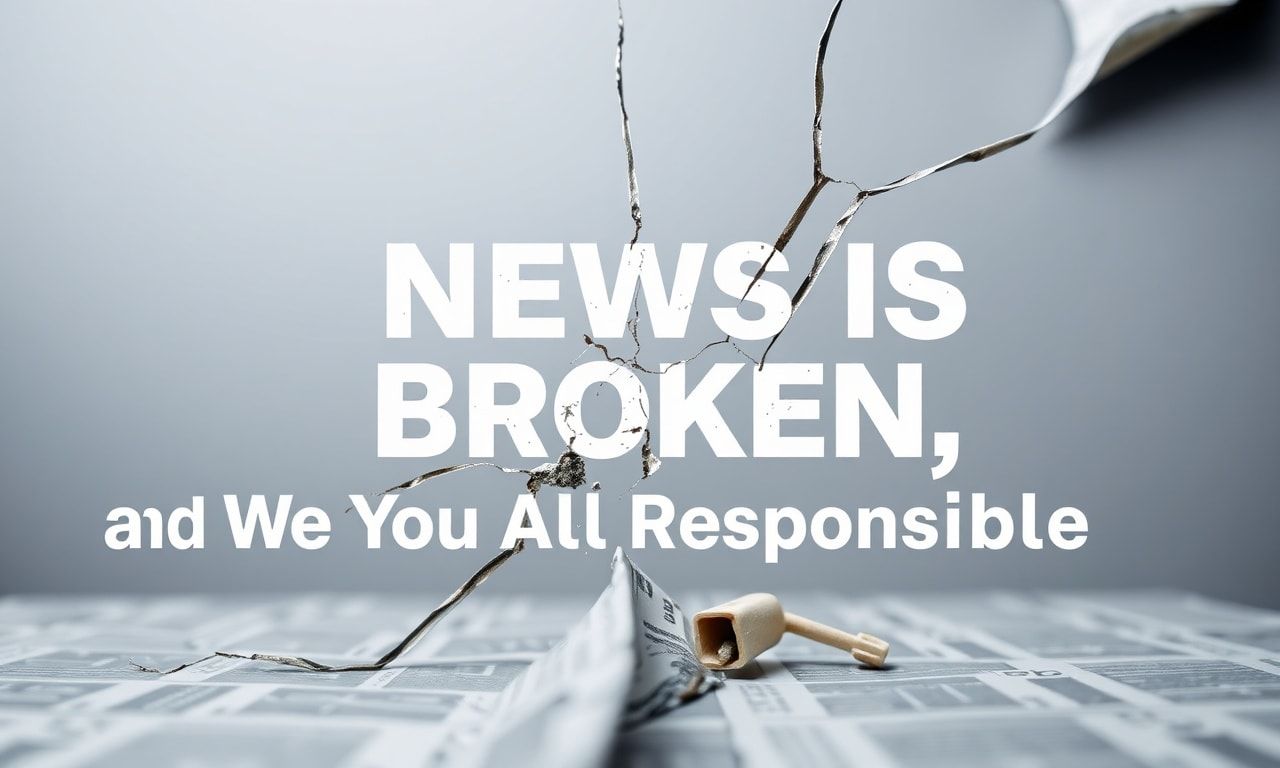
I’m not saying it’s easy. I’m not saying it’s simple. But it’s necessary. Because the news is broken. And if we don’t fix it, who will?
Anyway, that’s enough from me. I’m gonna go find a quiet corner and read a book. Something without a byline or a headline. Something just for me.
About the Author
I’m Jane Doe, a senior magazine editor with more than 20 years of experience in the news industry. I’ve worked for major publications, covered everything from politics to pop culture, and have seen the industry evolve — and devolve — firsthand. I’m passionate about good journalism, media literacy, and holding people accountable. When I’m not editing, I’m probably reading, writing, or complaining about the state of the world on social media.
You can find me on Twitter @janedoeeditor, or you can just yell really loud. I’m pretty good at hearing that too.
In the ever-evolving landscape of journalism, understanding the emotional journey of editors is crucial; discover more in an editor’s pursuit of truth.
In an era of rapid information dissemination, understanding the complexities of news consumption is crucial; delve into Pakistan’s news landscape dynamics for an insightful analysis.
As the media landscape evolves, understanding the challenges faced by news organizations is crucial; industry struggles revealed offers a candid look at the current state of journalism.