
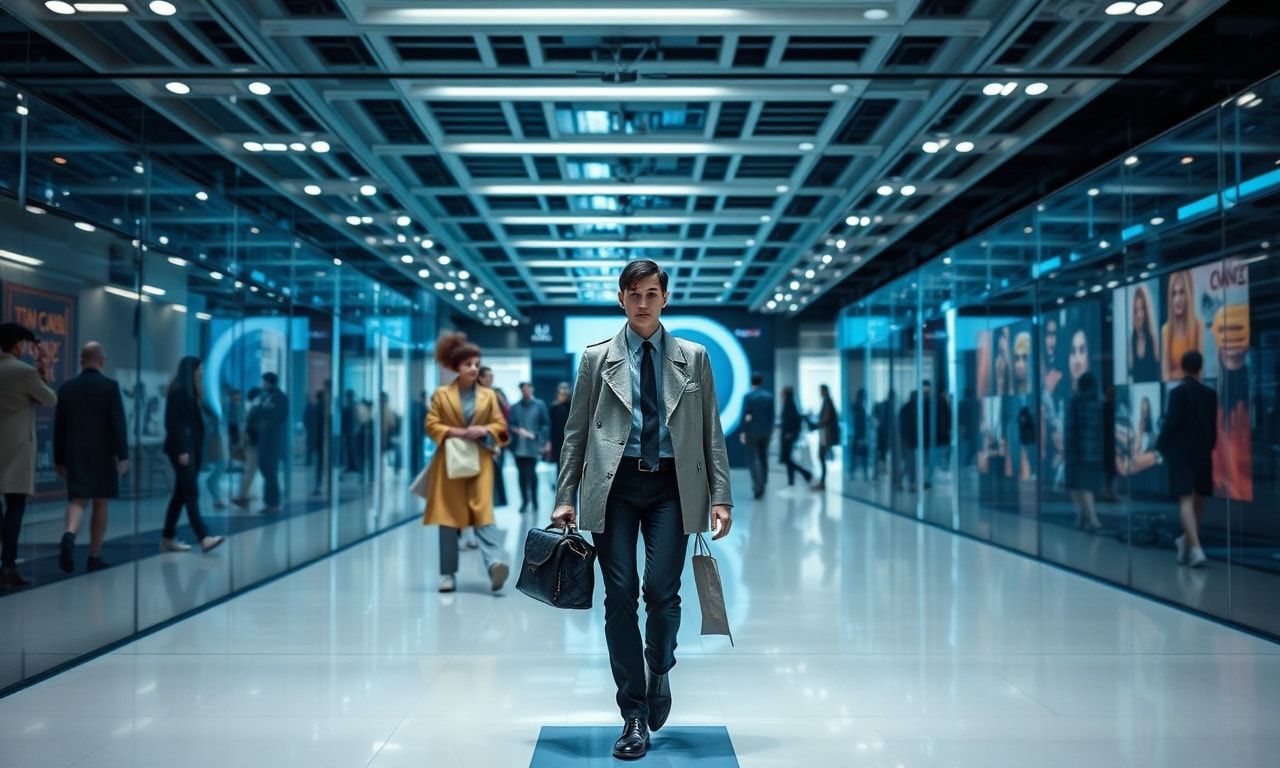
The Evolution of Fashion in the Digital Age
The fashion industry has always been a dynamic and ever-evolving sector, but the advent of digital technology has significantly accelerated its pace. From virtual fashion shows to AI-driven design, the integration of technology into fashion is reshaping the way we perceive and consume style. This article delves into the latest trends and innovations that are set to define the fashion landscape in the coming years.
The Rise of Sustainable Fashion
Sustainability has become a critical focus in the fashion industry. As consumers become more environmentally conscious, brands are increasingly adopting eco-friendly practices. This shift is not just a trend but a necessary evolution to meet the demands of a more sustainable future. The use of recycled materials, ethical sourcing, and reduced waste are becoming standard practices among forward-thinking fashion houses.
Technology and Fashion: A Symbiotic Relationship
Technology is playing a pivotal role in the fashion industry, from the design phase to the consumer experience. Virtual reality (VR) and augmented reality (AR) are being used to create immersive shopping experiences, allowing customers to try on clothes virtually. AI is also being leveraged to predict fashion trends and personalize shopping experiences. These technological advancements are not only enhancing the consumer experience but also streamlining the production process.
For instance, the concept of 2026 modası giyim trendleri is already being explored by designers who are using AI to predict the styles and trends that will dominate the fashion scene in the next decade. This proactive approach ensures that brands stay ahead of the curve and meet the evolving needs of their customers.
The Impact of Social Media on Fashion Trends
Social media platforms have become powerful tools for shaping fashion trends. Influencers and celebrities have a significant impact on what becomes popular, and their endorsements can make or break a fashion line. The rise of platforms like Instagram and TikTok has democratized fashion, allowing smaller brands to gain visibility and reach a global audience. This shift has led to a more diverse and inclusive fashion landscape, where individuality and creativity are celebrated.
The Future of Fashion: Predictions and Trends
The future of fashion is bright and filled with exciting possibilities. Here are some trends that are expected to dominate the industry in the coming years:
- Personalization: Customization will be key, with brands offering personalized shopping experiences tailored to individual preferences.
- Sustainability: Eco-friendly practices will become the norm, with a focus on reducing waste and using sustainable materials.
- Technology Integration: The use of AI, VR, and AR will continue to grow, enhancing both the design and shopping experiences.
- Inclusivity: The fashion industry will become more inclusive, catering to a diverse range of body types, ages, and cultural backgrounds.
- Digital Fashion: Virtual fashion shows and digital clothing will gain traction, offering new avenues for creativity and expression.
Conclusion
The fashion industry is on the cusp of a technological revolution that promises to redefine the way we interact with style. From sustainable practices to the integration of AI and VR, the future of fashion is set to be both innovative and inclusive. As we look ahead to trends like 2026 modası giyim trendleri, it is clear that the intersection of fashion and technology will continue to shape the industry in exciting and unpredictable ways. The key to success will be adaptability and a commitment to meeting the evolving needs of consumers in a rapidly changing world.