
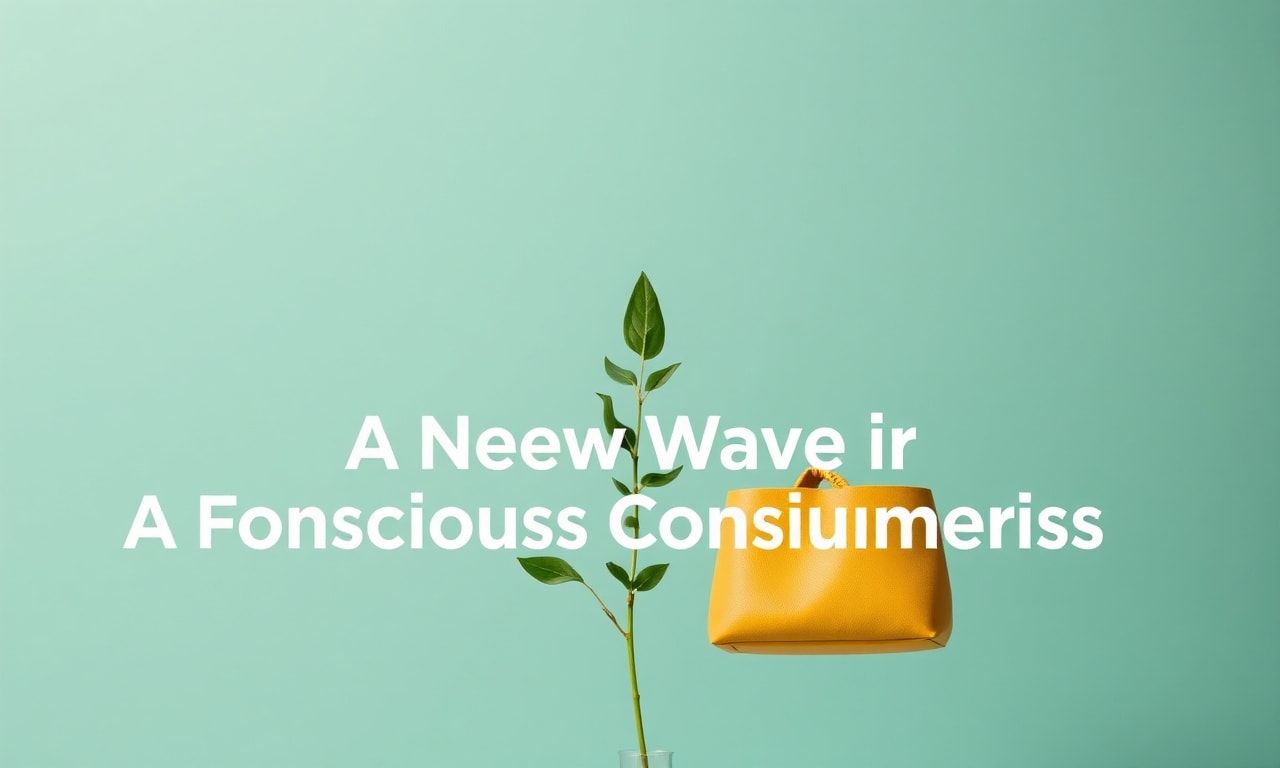
The Rise of Sustainable Fashion
The fashion industry is undergoing a significant transformation, driven by a growing awareness of environmental issues and a shift towards sustainable practices. This movement is not just a trend but a fundamental change in how consumers and manufacturers approach fashion. The rise of sustainable fashion is a response to the environmental impact of fast fashion, which has been criticized for its excessive waste and resource consumption.
Sustainable fashion focuses on reducing the environmental footprint by using eco-friendly materials, ethical production processes, and promoting longevity in clothing. This shift is supported by a new generation of consumers who are more informed and conscious about their purchasing decisions. They are willing to pay a premium for products that align with their values, such as sustainability, ethical labor practices, and transparency in the supply chain.
The Role of Personal Development in Sustainable Fashion
Personal development plays a crucial role in the adoption of sustainable fashion. As individuals become more aware of their impact on the environment, they seek ways to integrate sustainable practices into their daily lives. This includes making conscious choices about the clothing they buy and the brands they support. A personal development guide for sustainable fashion can provide valuable insights and practical tips for those looking to make a positive change.
Education and awareness are key components of personal development in this context. Understanding the environmental and social implications of fashion choices empowers individuals to make informed decisions. This knowledge can lead to a more mindful approach to consumption, where quality and sustainability are prioritized over quantity and fast trends.
The Impact of Sustainable Fashion on the Environment
The environmental benefits of sustainable fashion are substantial. By using eco-friendly materials such as organic cotton, recycled polyester, and innovative fabrics like Piñatex (made from pineapple leaves), the fashion industry can significantly reduce its carbon footprint. These materials require fewer resources and produce less waste compared to traditional fabrics.
Additionally, sustainable fashion promotes the use of natural dyes and non-toxic chemicals, which are less harmful to the environment and human health. The adoption of these practices can lead to cleaner water, reduced pollution, and a healthier ecosystem. The fashion industry’s shift towards sustainability is a critical step in addressing the broader challenges of climate change and environmental degradation.
The Economic and Social Benefits
The economic benefits of sustainable fashion are also noteworthy. As consumer demand for sustainable products grows, businesses are incentivized to adopt more eco-friendly practices. This can lead to innovation in materials, production processes, and supply chain management, creating new opportunities for growth and investment.
Socially, sustainable fashion supports fair labor practices and ethical treatment of workers. By ensuring fair wages, safe working conditions, and respect for workers’ rights, the fashion industry can contribute to social justice and economic empowerment. This holistic approach to sustainability benefits not only the environment but also the communities involved in the production process.
The Future of Sustainable Fashion
The future of sustainable fashion looks promising, with increasing awareness and commitment from both consumers and industry leaders. The fashion industry is expected to continue its shift towards sustainability, driven by regulatory pressures, consumer demand, and technological advancements. Innovations in materials, such as lab-grown leather and biodegradable fabrics, are paving the way for a more sustainable future.
Collaboration and partnerships between brands, NGOs, and governments will be crucial in accelerating this transition. By working together, stakeholders can address the complex challenges of sustainable fashion and create a more sustainable and equitable industry. The journey towards sustainability is ongoing, but the progress made so far is a testament to the power of collective action and conscious consumerism.