
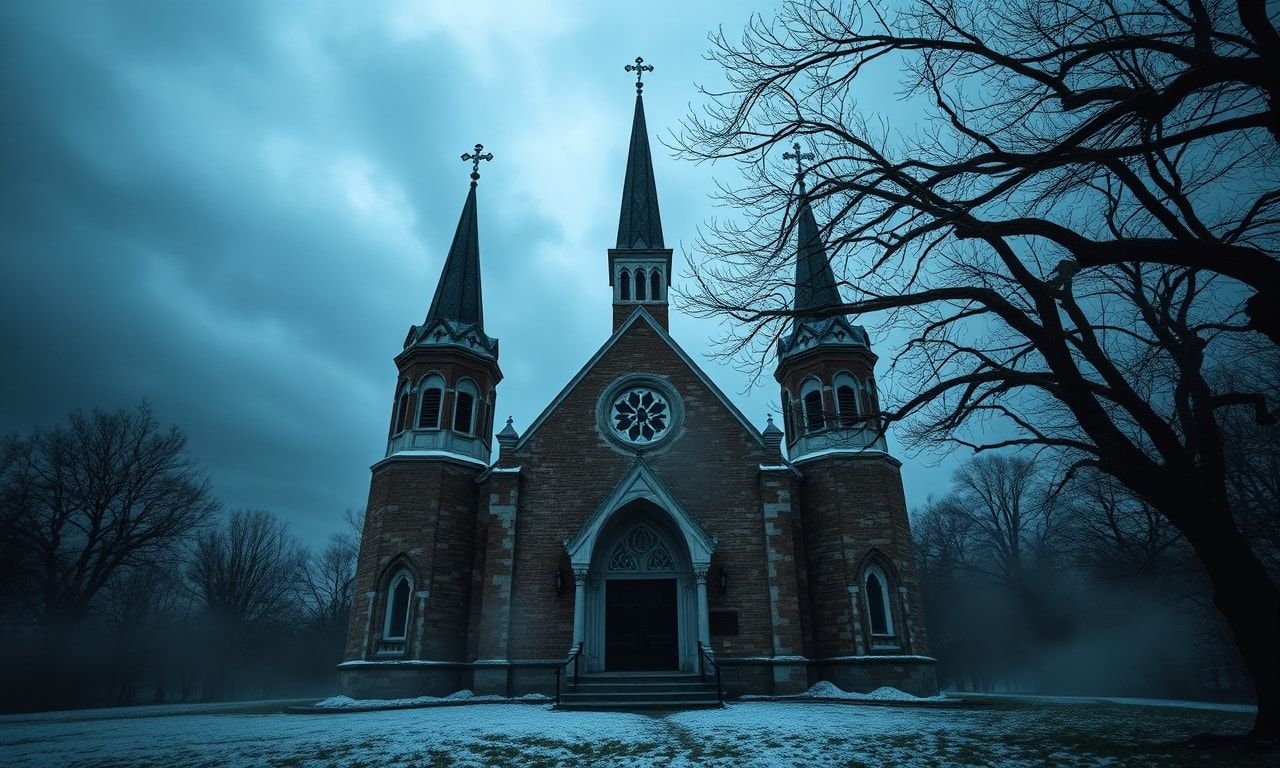
The Fascinating World of Haunted Churches
The intersection of faith and the paranormal has long been a subject of intrigue and speculation. Across the globe, numerous churches and sacred sites are reputed to be haunted, drawing both the devout and the curious. These locations, steeped in history and spiritual significance, often serve as backdrops for eerie encounters and unexplained phenomena. From whispered voices to ghostly apparitions, the stories that emerge from these places blur the lines between the sacred and the supernatural.
The Historical Context of Haunted Churches
The notion of haunted churches is not a modern concept. Throughout history, churches have been built on land with deep historical and spiritual significance, often serving as burial grounds or sites of significant events. The weight of these histories can leave an indelible mark, both physically and spiritually. Many of these churches date back centuries, and their walls have witnessed countless moments of joy, sorrow, and tragedy. It is perhaps no surprise that they are said to be haunted by the echoes of the past.
Notable Examples Around the World
One of the most famous examples of a haunted church is the Catholic haunted places in US. This site, rich in history and lore, is said to be home to a variety of paranormal activities. Visitors and locals alike have reported sightings of ghostly figures, unexplained noises, and an overall sense of unease. The church’s historical significance, combined with its reputed hauntings, makes it a popular destination for both tourists and paranormal enthusiasts.
Another notable example is the Church of St. Mary the Virgin in England. This ancient church, dating back to the 12th century, is said to be haunted by the ghost of a monk who was murdered on the premises. Visitors have reported feeling a cold presence and hearing disembodied whispers. The church’s rich history and the tales of its ghostly inhabitant continue to draw visitors from around the world.
The Science Behind the Supernatural
While the stories of haunted churches are often dismissed as mere folklore, there is a growing interest in understanding the scientific basis behind these phenomena. Researchers in the fields of psychology and parapsychology have proposed various theories to explain why certain locations are perceived as haunted. One theory suggests that electromagnetic fields, often found in older buildings, can cause hallucinations and a sense of unease. Another theory posits that the power of suggestion and collective belief can create a shared experience of the paranormal.
The Role of Collective Memory
Collective memory plays a significant role in the perception of haunted churches. Over time, stories and legends become ingrained in the collective consciousness of a community. These stories, passed down through generations, can shape the way people perceive and experience a particular location. In the case of haunted churches, the combination of historical events, architectural features, and cultural narratives can create an environment that is ripe for paranormal experiences.
The Impact on Local Communities
The presence of haunted churches can have a profound impact on local communities. On one hand, these sites can become important cultural and historical landmarks, attracting tourists and boosting the local economy. On the other hand, the reputation of a haunted church can also bring about a sense of unease and fear among residents. Balancing the preservation of historical significance with the need to address community concerns is a delicate task that often requires careful consideration and management.
Tourism and Economic Benefits
Many communities have embraced the paranormal reputation of their local churches, turning them into tourist attractions. Ghost tours, paranormal investigations, and historical reenactments are just a few of the ways in which these sites can be leveraged to attract visitors. The economic benefits of such tourism can be substantial, providing a much-needed boost to local businesses and the community as a whole.
However, it is essential to approach the commercialization of haunted churches with sensitivity and respect. Preserving the historical and spiritual significance of these sites should be a priority, ensuring that their legacy is honored and protected for future generations.
Conclusion
The world of haunted churches is a fascinating blend of history, faith, and the paranormal. These sites, rich in cultural and spiritual significance, continue to captivate the imagination of people around the world. Whether viewed as historical landmarks, cultural treasures, or paranormal hotspots, haunted churches offer a unique window into the past and the mysteries that lie beyond our understanding. As we continue to explore the intersection of faith and the supernatural, the stories and legends of these haunted churches will undoubtedly continue to inspire and intrigue.
For more insights on this topic, you might find Wolfsburg feiert: Traditionen und Bräuche in particularly informative.
As global travel resumes, our latest feature travel tips for memorable adventures offers practical advice to make the most of your journeys.