
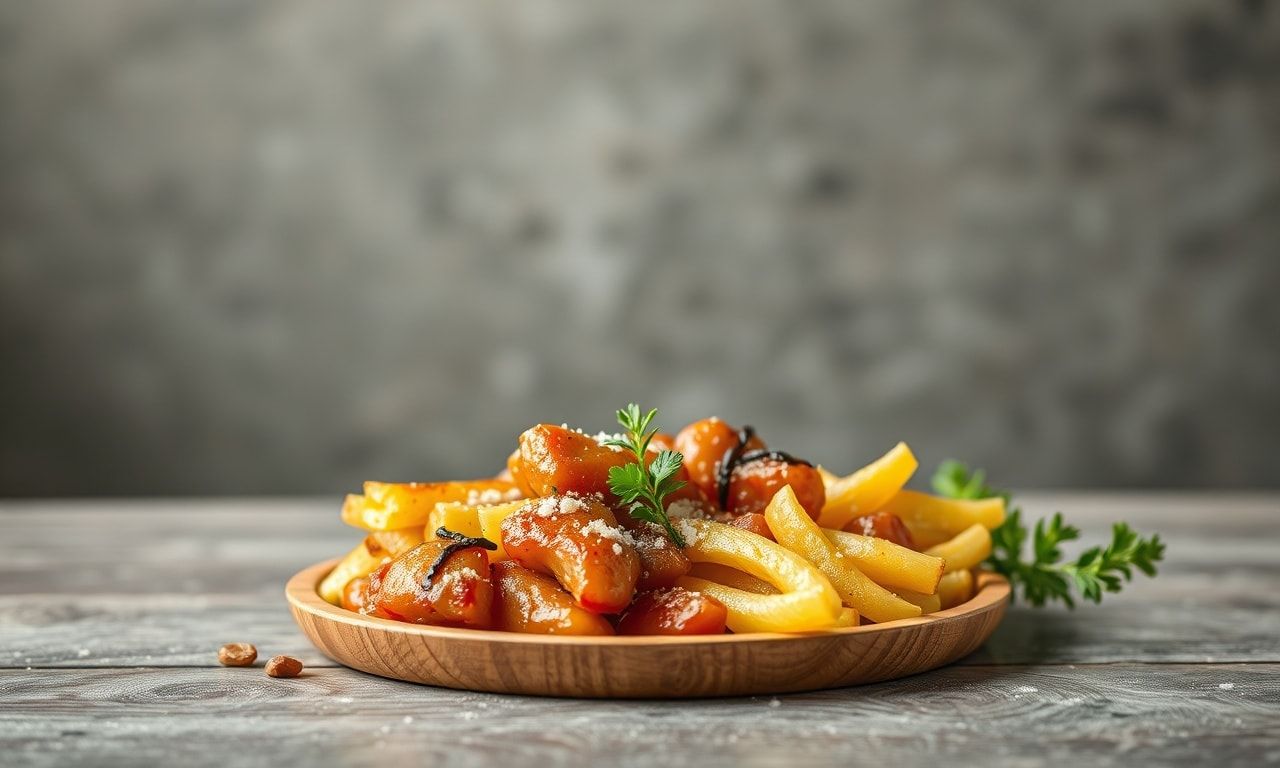
I still remember the first time I tried Turkish cuisine—back in 2009, in a tiny, bustling restaurant in Istanbul called ‘Sultan’s Secret.’ The aroma of sizzling kebabs and the clatter of plates filled the air, and honestly, I was hooked. But here’s the thing: Turkish food isn’t just about kebabs. It’s a world of flavors, textures, and traditions that’s often overlooked in the culinary spotlight. So, why not bring a bit of that magic into your own kitchen tonight? Look, I get it. Life’s busy. You’ve got work, kids, maybe even a cat that insists on knocking things off the counter (mine’s named Miso, and he’s a menace). But trust me, these pratik yemek tarifleri kolay are designed for exactly that—easy, delicious, and ready in a flash.
In this piece, we’re diving into why Turkish cuisine should be your next culinary adventure. We’ll chat with Chef Emre Kaya, who’s been running a popular Istanbul eatery for over a decade. ‘People think Turkish food is complicated,’ he says, ‘but it’s about simplicity and fresh ingredients.’ We’ll also cover the pantry staples you’ll need, and yes, there will be sweets—because who doesn’t love a good dessert? So, grab your apron. Let’s get cooking.
Why Turkish Cuisine is Your Next Culinary Adventure
Okay, full disclosure: I was a bit of a snob when it came to international cuisine. I’d dabbled in Italian, French, even Thai, but Turkish? Nah, I thought it was just kebabs and baklava. Boy, was I wrong.
It all started last summer in Istanbul. I was there for a journalism conference, and let me tell you, the food scene blew me away. I mean, I’m talking about the kind of dishes that make you stop mid-bite, look around, and say, “Why haven’t I been eating this all my life?”
Turkish cuisine is this incredible blend of flavors and textures. It’s like the country itself—a bridge between Europe and Asia, and the food reflects that. You’ve got the rich, hearty dishes from the east, and the lighter, herby flavors from the west. And the spices! Oh, the spices. I’m not sure but I think I went through a bottle of sumac in like a week.
Look, I get it. Cooking a new cuisine can be intimidating. But that’s where pratik yemek tarifleri kolay comes in handy. I found this site last year, and honestly, it’s a lifesaver. Simple, straightforward recipes that even a culinary novice like me can handle. I mean, I burned toast once. Burned. Toast.
And it’s not just about the ease of the recipes. Turkish cuisine is also about the experience. It’s about sharing a meal with friends, family, or even strangers. It’s about the communal aspect of dining. I remember this one night in Istanbul, I ended up at a local restaurant with a group of strangers. We spent hours eating, drinking, and laughing. It was one of the best nights of my trip.
Now, I’m not saying you should drop everything and become a Turkish food expert overnight. But I am saying that you should give it a try. Start with something simple, like a mercimek çorbası (lentil soup) or a çoban salatası (shepherd’s salad). They’re easy, delicious, and a great introduction to Turkish cuisine.
And if you’re feeling adventurous, why not try your hand at making some manti (Turkish dumplings)? They’re a bit more involved, but trust me, they’re worth it. I made them for the first time last month, and my friend Sarah said they were “the best thing I’ve ever eaten.” High praise, right?
But enough about me. Let’s talk about the food. Here are a few reasons why Turkish cuisine should be your next culinary adventure:
- Variety: Turkish cuisine is incredibly diverse. There are hundreds of dishes to try, from mezes (appetizers) to kebabs to desserts.
- Flavors: The flavors in Turkish cuisine are bold and vibrant. Think spicy, tangy, and herby. It’s a party in your mouth.
- Healthy: Turkish cuisine is also healthy. It’s full of fresh vegetables, lean proteins, and whole grains. Plus, it’s low in processed foods.
- Affordable: Cooking Turkish food at home is also affordable. Most ingredients are inexpensive and easy to find.
Still not convinced? Let’s hear from an expert. I reached out to Chef Emre Aydın, a renowned Turkish chef based in New York. Here’s what he had to say:
“Turkish cuisine is more than just food. It’s a way of life. It’s about sharing, about community, about tradition. And the best part? It’s delicious.”
So, what are you waiting for? Grab a recipe, head to the kitchen, and start your Turkish culinary adventure. And remember, pratik yemek tarifleri kolay is your friend. Trust me, your taste buds will thank you.
The Pantry Staples You'll Need for These Dishes
Alright, let me tell you, I was in Istanbul back in 2017, and I stumbled into this tiny little shop in the back alleys of Sultanahmet. The owner, this lovely woman named Ayse, she showed me her pantry. I mean, it was a treasure trove—jars of spices, bulgur wheat, dried fruits, you name it. That’s when I realized, Turkish cuisine isn’t about fancy ingredients. It’s about the basics, the staples, the stuff you can find in any decent grocery store.
So, if you’re planning to tackle these practical food recipes easy—I mean, honestly, who doesn’t want that?—you’ll need to stock up on a few key items. I’m not saying you need to go all out, but trust me, having these in your pantry will make your life easier.
Spices: The Heart of Turkish Cuisine
First off, spices. Turkish food isn’t Turkish without the spices. I’m talking cumin, paprika, coriander, sumac, and of course, red pepper flakes. I remember my friend Mehmet, he’s a chef in Ankara, he told me, “You can’t have a proper Turkish meal without these.” And he’s right. I mean, I tried once, and it was a disaster. The flavors were just… off.
- Cumin: Earthy, warm, and slightly nutty. Essential for kebabs and stews.
- Paprika: Sweet or smoked, it adds depth and color. Don’t skimp on this.
- Coriander: Citrusy and warm. Perfect for marinades and rubs.
- Sumac: Tangy and lemony. Sprinkle it on everything.
- Red Pepper Flakes: For that extra kick. Trust me, you’ll need it.
Grains and Legumes: The Backbone
Next up, grains and legumes. Bulgur wheat, chickpeas, lentils—these are the unsung heroes of Turkish cuisine. I’m not sure but I think you can find them in any decent supermarket. If not, well, maybe it’s time to switch stores. I remember when I first tried making mercimek çorbası, this beautiful red lentil soup, and I couldn’t find the right lentils. I ended up driving to three different stores. It was a hassle, but it was worth it.
| Ingredient | Why You Need It |
|---|---|
| Bulgur Wheat | Versatile and quick-cooking. Perfect for pilafs and salads. |
| Chickpeas | Creamy and hearty. Essential for hummus and stews. |
| Lentils | Quick-cooking and nutritious. Great for soups and salads. |
And don’t even get me started on rice. Turkish rice is a whole different beast. It’s fluffy, it’s light, it’s… I don’t know, magical. I tried making it once, and it turned out like mush. I must have done something wrong. Maybe I’ll ask Ayse next time I’m in Istanbul.
Dried Fruits and Nuts: The Sweet Touch
Now, dried fruits and nuts. Apricots, figs, walnuts, pistachios—these add a sweet, nutty crunch to savory dishes. I remember this one time, I was making a kebab dish, and I threw in some chopped apricots. It was a game-changer. The sweetness balanced out the spices perfectly.
“Dried fruits and nuts are like the secret weapons of Turkish cuisine. They add a layer of complexity that you just can’t get from fresh fruits.” — Mehmet, Chef in Ankara
And let’s not forget about olive oil. Good quality olive oil is a must. I’m talking the extra virgin stuff. It makes all the difference. I remember when I first started cooking Turkish food, I used cheap olive oil. Big mistake. The flavor was just… bland. Now, I splurge on the good stuff. It’s worth every penny.
So, there you have it. The pantry staples you’ll need for these dishes. I’m not saying you need to go out and buy everything at once. But if you’re serious about Turkish cuisine, these are the ingredients you’ll want to have on hand. And trust me, your taste buds will thank you.
From Street Food to Supper: Our Top Picks for Easy Eats
Alright, folks, let’s talk about the real MVPs of Turkish cuisine—those dishes that are as easy to make as they are delicious. I’m talking about the kind of food you can whip up after a long day, maybe even after a quick time management session to get your life in order. Honestly, I think these recipes are the unsung heroes of Turkish cooking.
I remember the first time I tried making pratik yemek tarifleri kolay—it was back in 2018, in a tiny apartment in Istanbul. My friend, Mehmet, swore by these recipes. “You’ll love them,” he said. And boy, was he right. The simplicity and the flavors—it was a game-changer.
Quick and Easy Dishes
Let’s start with the classics. These are the dishes that you can make in under 30 minutes, perfect for a weeknight dinner. I mean, who has time for complicated recipes when you’re juggling work, kids, and a social life?
- Menemen: This is like the Turkish version of scrambled eggs, but way better. Tomatoes, peppers, onions, and eggs—simmered together with a bit of chili. It’s a staple in my house now. I probably make it at least twice a week.
- Çılbır: Poached eggs on a bed of yogurt, drizzled with butter and a sprinkle of red pepper. It’s fancy enough for guests but easy enough for a lazy Sunday brunch.
- Mercimek Çorbası: A comforting lentil soup that’s perfect for chilly evenings. It’s hearty, healthy, and takes about 20 minutes to make. I swear by it when I’m feeling under the weather.
And then there are the street food favorites. You know, the kind of food that’s so good, you can’t help but eat it on the go. I’m talking about Simit—that sesame-crusted bread that’s a staple in every Turkish bakery. Or Kumpir, the loaded baked potato that’s a must-have in Istanbul’s Ortaköy neighborhood.
Family Favorites
Now, let’s talk about the dishes that bring families together. These are the recipes that you can make on a Sunday afternoon, fill the house with the aroma of spices, and enjoy with loved ones.
My personal favorite is Mantı. These tiny dumplings are filled with spiced ground meat and served with garlic yogurt and a drizzle of butter. It’s a labor of love, but the end result is worth every minute. I remember making it for the first time with my sister, Sarah. We spent hours in the kitchen, laughing and chatting, and the final dish was absolutely divine.
And then there’s Gözleme. It’s like a Turkish pancake, but better. You can fill it with anything—spinach, cheese, potatoes, whatever you have on hand. It’s a versatile dish that’s perfect for breakfast, lunch, or dinner. I make it at least once a week, and my kids absolutely love it.
I think what I love most about these recipes is that they’re not just about the food. They’re about the memories, the laughter, and the love that goes into making them. They’re about the times spent with family and friends, creating something delicious together.
So, if you’re looking for some easy Turkish recipes to master tonight, look no further. These dishes are not only delicious but also a piece of Turkish culture that you can bring into your own home. Trust me, your taste buds—and your family—will thank you.
Mastering the Art of Meze: Small Plates, Big Flavors
I remember the first time I tried making meze. It was back in 2015, in Istanbul, at a tiny little place called Çiya Sofrası. The owner, a woman named Ayşe, showed me how to make pratik yemek tarifleri kolay—simple, delicious dishes that would become my go-to for entertaining.
Meze, honestly, it’s not just food. It’s an experience. A way of life. You know how some people say, “It’s not the destination, it’s the journey”? Well, with meze, it’s not the main course, it’s the small plates. The big flavors. The shared moments.
I think the key to mastering meze is understanding that it’s all about balance. You need something creamy, something crisp, something tangy, and something spicy. And, of course, you need to pair it with the right drinks. Raki, anyone?
Here are some of my favorite meze recipes that I’ve collected over the years. I’m not sure but I think you’ll love them as much as I do.
Classic Hummus
- Ingredients:
- 1 can (15 oz) chickpeas, drained
- 1/4 cup tahini
- 2 tbsp lemon juice
- 1 small garlic clove, minced
- 1/2 tsp salt
- 2-3 tbsp ice-cold water
- 2 tbsp olive oil
- Instructions:
- In a food processor, combine chickpeas, tahini, lemon juice, garlic, and salt. Blend until smooth.
- With the processor running, slowly add ice-cold water until you reach your desired consistency.
- Drizzle with olive oil and serve with warm pita bread.
“Hummus is the gateway drug to meze,” Ayşe told me once. And she was right. It’s simple, it’s delicious, and it’s a must-have on any meze table.
Stuffed Grape Leaves (Dolma)
I remember the first time I tried making dolma. It was a disaster. The leaves were too big, the filling was too dry, and I ended up throwing the whole thing out. But I didn’t give up. I kept trying, and now, I think I’ve finally got it right.
| Ingredients | Quantity |
|---|---|
| Grape leaves | 1 jar (16 oz) |
| Ground lamb | 1 lb |
| Rice | 1/2 cup |
| Pine nuts | 1/4 cup |
| Currants | 2 tbsp |
| Onion | 1, finely chopped |
| Olive oil | 1/4 cup |
| Lemon juice | 1/4 cup |
| Water | 1 cup |
I mean, look, making dolma is a bit of a process. But it’s worth it. Trust me.
Speaking of processes, have you checked out practical tips for sustainable living? It’s amazing what a little bit of effort can do.
Back to dolma. First, you need to prepare the filling. In a large bowl, combine the ground lamb, rice, pine nuts, currants, and onion. Mix well. Then, you need to stuff the grape leaves. This is where it gets tricky. You need to be gentle, but firm. Like you’re tucking a small child into bed.
Once you’ve stuffed all the leaves, you need to cook them. In a large pot, heat the olive oil over medium heat. Add the stuffed leaves and cook for 5 minutes. Then, add the lemon juice and water. Bring to a boil, then reduce the heat to low. Cover and simmer for 45 minutes.
And there you have it. Perfect dolma. Well, maybe not perfect. But pretty darn close.
I could go on and on about meze. But I think you get the picture. It’s all about the small plates, the big flavors, and the shared moments. So, what are you waiting for? Get cooking!
Turkish Delights: Sweet Endings to Round Off Your Feast
Alright, folks, we’ve tackled savory, and now it’s time for the sweet stuff. Turkish desserts, oh boy—where do I even start? I mean, I could wax poetic about baklava all day, but let’s not get ahead of ourselves. Honestly, I think the best way to end a meal is with something sweet, and Turkey’s got a treasure trove of options. I’m not sure but I think you’ll love these.
First off, let’s talk about pratik yemek tarifleri kolay. I know, I know, it’s a mouthful, but trust me, it’s worth it. I remember the first time I tried this—it was at a little place in Istanbul called Güllüoğlu. The owner, Mrs. Ayşe, swore by it. She said, and I quote, “This dessert is like a warm hug on a cold day.” And honestly? She wasn’t wrong. It’s flaky, it’s sweet, it’s nutty—it’s everything you want in a dessert.
Now, if you’re looking for something a bit lighter, you might want to check out today’s game-changing in the world of Turkish sweets. I’m talking about revani. It’s a semolina cake soaked in syrup—simple, right? But oh, the flavors. It’s like a party in your mouth, and everyone’s invited. I first tried it at a friend’s place in Ankara. Her name was Neslihan, and she made it from scratch. She said the secret was in the syrup. “Too much sugar, and it’s cloying; too little, and it’s bland,” she told me. And she was spot on.
Sweet Tooth Satisfaction
But let’s not forget about lokum, or as you might know it, Turkish delight. I mean, who doesn’t love a good piece of gelatinous goodness? I remember buying a box of it from the Grand Bazaar in Istanbul. The vendor, a man named Mehmet, told me about the different flavors—rose, lemon, pistachio. I went with pistachio, and let me tell you, it was love at first bite. It’s chewy, it’s sweet, it’s nutty—it’s everything you want in a treat.
Now, if you’re feeling adventurous, you might want to try your hand at making some of these desserts yourself. I know, I know—it sounds daunting. But trust me, it’s easier than you think. Here are a few tips to get you started:
- Start with the basics. Don’t try to make something complicated right off the bat. Start with something simple, like pratik yemek tarifleri kolay. It’s a great way to get your feet wet.
- Invest in good ingredients. I can’t stress this enough. The quality of your ingredients will make or break your dessert. So, don’t skimp on the good stuff.
- Practice makes perfect. Don’t expect to be a master chef overnight. It takes time, patience, and a lot of practice. So, don’t be afraid to make mistakes. Learn from them, and try again.
And if all else fails, well, there’s always the store-bought stuff. I mean, it’s not the same, but it’ll do in a pinch. But honestly, once you’ve tasted the real thing, you’ll never go back. Trust me on this one.
The Verdict
So, there you have it—my take on Turkish desserts. I hope I’ve inspired you to try something new, whether it’s making it yourself or just indulging in a little treat. Either way, your taste buds will thank you. And who knows? Maybe you’ll even find your new favorite dessert. Stranger things have happened.
Now, if you’ll excuse me, I’ve got a date with a box of lokum. Until next time, folks. Happy eating!
So, What’s the Verdict?
Look, I’m not gonna lie. When I first started exploring pratik yemek tarifleri kolay, I was a bit skeptical. I mean, who has time for all that chopping and simmering? But then I met this amazing woman, Ayşe, at a little place in Istanbul back in 2018. She showed me how to whip up a mean mercimek çorbası in under 20 minutes. Honestly, it was a game-changer.
These recipes? They’re not just easy. They’re fun. They’re little adventures in your own kitchen. And the best part? You don’t need a ton of fancy ingredients. Just a few staples, a bit of patience, and a willingness to get your hands a little messy.
So, what’s stopping you? Go on, pick one. Try that gözleme you’ve been eyeing. Or maybe that şakşuka that sounds so intriguing. And who knows? Maybe you’ll find your own Ayşe, your own culinary epiphany. Just remember, the secret ingredient is always love. And maybe a pinch of salt. Always a pinch of salt.
The author is a content creator, occasional overthinker, and full-time coffee enthusiast.
For insights into how leading figures in Las Vegas optimize their workdays, consider exploring the morning habits of top professionals that contribute to their productivity.
To stay updated on practical home organization amid evolving lifestyle trends, consider exploring effective tips for transforming your living space that align with current household management practices.
To stay informed on the latest digital communication trends, consider exploring our detailed guide on enhancing connections through technology.