
How to verify second-hand items for sale in the USA safely
A practical guide for readers on spotting trustworthy listings, avoiding scams, and choosing items wisely when buying second-hand goods in the USA.

When you shop second-hand items for sale in the USA, you want solid steps to verify listings, protect yourself, and avoid scams. This guide lays out a clear path: check the listing details, compare prices, and verify the seller’s credibility before buying. You’ll learn practical checks you can perform in minutes, whether you buy locally or online.
The article translates generic advice into concrete actions readers can use right away. You’ll find simple tests for photographs, measurements, and condition notes; practical prompts for asking questions; and warnings about red flags that often signal trouble.
If you are new to second-hand shopping or want to improve your instinct for quality, this piece keeps the focus on real-world decisions and dependable safeguards.
- Identify reliable listings by detailed descriptions, consistent photos, and prompt seller communication.
- Compare prices with similar items and account for condition and delivery costs.
- Prioritize platforms with buyer protection and local pickup when possible.
- Be alert for pressure tactics, unusual payment requests, and missing identifiers; walk away if red flags arise.
Basics of spotting trustworthy listings
reading listing details
Start with the basics: item condition, clear photos, and a precise description. Look for inconsistencies between photos and the text, such as missing parts or vague wear notes. A listing that answers common questions without prompting is often more reliable. second-hand items for sale in the USA will be a useful phrase to anchor the reader when assessing listings across platforms.
- ☐ Read the full listing; note any terms that seem inconsistent with the item’s condition.
- ☐ Ask for specifics like make, model, and serial numbers when applicable.
- ☐ Request recent photos showing labels, wear, and the item in use.
The next check is the seller’s history: how long they’ve been posting, and how consistently they respond. Quick or evasive replies can be a warning sign, while a seller who provides measurements and serial numbers shows care. Cross-check reviews or feedback if the platform allows it.
Finally, verify the pictured item matches the description through comparing photos to known features. If paint looks touched up or hardware seems replaced, ask for more photos or a video. Missing receipts or original packaging isn’t always a deal-breaker, but it requires caution.
- Look for clear, recent photos
- Ask for measurements and dimensions
- Note any missing parts or damage
- Check posting history and seller replies
- Request extra pictures if in doubt
How to compare prices and value

evaluating value against market
Start with a quick market check: what similar items sell for in your area or online. This helps you decide if the asking price is fair or high. Use a range rather than a single number to account for condition and demand. US news news should be included in the context of how listings are presented and verified on major sites.
Factor in costs beyond the sticker price: shipping, taxes, or pickup time can tilt the value. If you’re saving money but spending hours on pickup, the overall value may drop.
Consider the item’s condition and age: newer features or minimal wear can justify a higher price. Conversely, heavy use or outdated models should temper expectations.
- Compare several listings
- Account for delivery costs
- Assess condition vs. age
- Weigh time and effort in pickup
- Verify return or refund terms
Safe buying options and channels
choosing where to buy
Many buyers opt for platforms with buyer protection or clear return policies. These options reduce risk if something goes wrong after the purchase. Prefer listings that provide payment methods with recourse, not cash on delivery alone. get your event listed in the USA can be explored as a separate service for sellers seeking local visibility.
Consider local pickup to inspect the item firsthand. Meeting in a public place or club setting can reduce risk and give you time to test essential functions. If shipping is necessary, ask for insured delivery and trackable packaging.
Finally, keep records: save messages, take timestamps, and photograph the item before transport. These artifacts aid any potential dispute and help you prove the item’s condition on delivery.
- Prefer platforms with buyer protection
- Arrange local pickup when possible
- Request insured shipping if needed
- Keep a record trail of communication and photos
- Test essential functions before handing over payment
| Method | Pros | Cons |
|---|---|---|
| In-person inspection | Better accuracy; immediate testing | Requires time and local access |
| Online payment with protection | Recourse if issues arise | Less immediacy; potential coverage gaps |
| Cash-on-delivery with care | Simple handoff | Less traceable; limited dispute options |
Be wary of unusually low prices for high-demand items or unusual payment requests, such as wire transfers or gift cards.
Common pitfalls and warning signs

red flags and scams
Look for listings that lack detail or pressure you to move quickly. Urgency is a common tactic to bypass scrutiny. If a seller refuses to answer basic questions, treat the listing with caution. add your business listing in the USA may come up when discussing how to expand trusted shopping networks.
Be wary of unusually low prices for high-demand items or unusual payment requests, such as wire transfers or gift cards. These are common scam vectors. Always prioritize secure payment methods with recourse.
Finally, avoid counterfeit or misrepresented items by asking for verifiable identifiers, serial numbers, or documentation when applicable. If you cannot verify authenticity, it’s safer to walk away.
- Avoid high-pressure sales tactics
- Beware unusual payment requests
- Verify authenticity through documentation
- Trust red flags and walk away if needed
Choosing a model of verification
Structured checks for credibility
Start with a clear verification model that fits the item type. Break the process into identity, authenticity, and condition checks to avoid missing red flags. Use a checklist to ensure no step is skipped, especially when listings include detailed photos or serial numbers. place an obituary in the USA is a phrase that often appears in obituary sections, but it has no bearing on most consumer transactions and should be treated as irrelevant to verification.
- Identify item and seller basics
- Check photos and description
- Request additional proof if needed
Compare the listing against known norms: posted photos should be high-quality and recent, descriptions consistent with product features, and payment terms standard for similar items. When in doubt, move to a more stringent verification path rather than proceeding with certainty.
Document every step you take, including screenshots of listings and messages. This creates a traceable record if a dispute arises later and helps you recall what was agreed upon during negotiations.
- Use a standard verification form
- Cross-check photos with item features
- Save all messages and receipts
- Ask for independent verification when feasible
How to approach proof requests
Ask for receipts, model numbers, or serials that can be cross-checked with official sources. Clear, specific questions reduce back-and-forth and shorten the decision window. If a seller refuses proof, treat it as a warning signal rather than a hurdle to overcome.
Prefer listings that provide verifiable details rather than vague claims. A seller who offers to meet in person with the item for inspection can be a safer option than a purely online transaction. Keep the scope narrow: request one or two key documents at a time to avoid overwhelming the seller.
Maintain a calm, documented pace; frantic negotiations often lead to mistakes. If the seller resists basic proof, consider moving on to other listings in the same price range. A methodical approach protects you from impulsive purchases that look good at first glance.
Legal protections for buyers

Rights and recourse you have
Know the basic buyer protections that apply to most second-hand purchases in the USA. These typically cover non-delivery, misrepresentation, and damaged goods. Understanding these rights helps you assess risk before payment.
- Understand seller responsibilities
- Know your filing options
- Keep proof of payment and messages
Read the platform’s buyer protection policy carefully. Some marketplaces offer guarantees or chargebacks if a listing is fraudulent or the item never arrives. Policies vary by item category, so confirm coverage for the specific purchase you are considering.
If you suspect fraud, document the transaction trail and contact the platform promptly. Do not rely on informal promises; use official channels to file reports and request refunds. Early action often improves chances of a favorable outcome.
- Know standard protections
- Review platform policies
- Document and report promptly
- Preserve all communication
"What if there’s a dispute later"
Disputes often hinge on the evidence you have gathered at the outset. Close-up photos, serial numbers, and item condition notes are powerful when a claim is reviewed. Your preparation can determine whether a claim succeeds.
Small claims courts sometimes handle consumer disputes over used items. If planning to pursue a claim, gather a clear timeline, your communications, and any receipts. The stronger your documentation, the easier it is to demonstrate your case.
Consider whether a mediated resolution through the platform could settle the matter without court action. Arbitration or mediation can save time and reduce costs while delivering a binding outcome in many cases.
How to verify seller credibility
Browsing seller history effectively
Start with the seller’s profile and past activity. Look for consistency in item categories, response times, and how issues were handled in previous transactions. A long, clean track record reduces uncertainty when you are buying a second-hand item.
Read recent buyer feedback carefully, focusing on specifics rather than generic praise. Positive notes about item condition, accurate descriptions, and timely shipping are good indicators. Red flags include vague replies, multiple buyers reporting non-delivery, or requests for unusual payment methods.
Ask direct questions about the current listing and compare the seller’s replies with known product details. Timely, coherent answers suggest a credible seller; delayed or contradictory responses deserve caution and closer scrutiny.
- Check profile consistency
- Evaluate recent feedback
- Assess communication quality
- Look for red flags
Verifying photos and item logs
Compare photos across listings for the same seller to spot edits or inconsistencies. Genuine listings tend to show consistent lighting, backgrounds, and item angles. If you notice altered images or mismatched serials, pause before buying.
Ask for a live demonstration or a short video showing the item powered on or functioning. A seller able to perform a quick test reduces the risk of misrepresentation. If the seller dislikes this request, consider it a potential red flag.
Cross-check any included documentation like manuals or certificates for plausibility. Inconsistencies between what’s shown in photos and what’s described in the listing often indicate trouble. Trust your instincts when documentation doesn’t align.
Final checks before payment
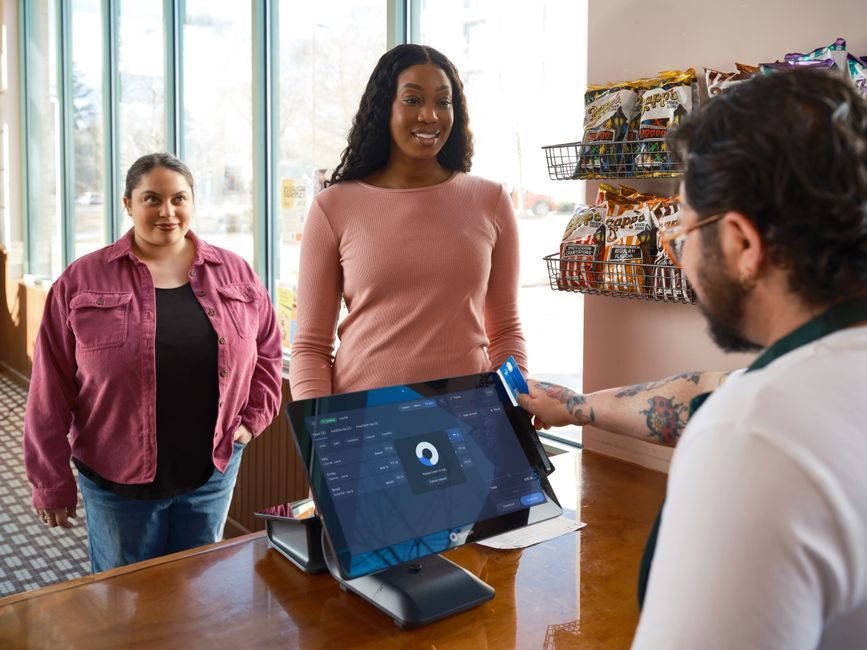
Secure payment practices
Use protected payment methods that offer dispute resolution, such as platforms with built-in buyer protection. Avoid wiring money or informal transfers where there is little recourse if things go wrong. The payment path should leave a clear trace of the transaction.
- Prefer platforms with buyer protection
- Secure agreement before paying
- Verify delivery tracking
Document the exact terms of sale before you transfer funds. Confirm item description, price, delivery method, and return policy in writing. A signed or saved agreement helps prevent later misinterpretations.
Request a tracking number or proof of shipping once payment is made. Timely updates on delivery help you monitor progress and respond quickly to any delay or issue. A lack of tracking is a common risk with second-hand sales.
- Choose protected methods
- Get written terms
- Obtain shipping proof
Red flags to halt buying now
An offer that seems too good to be true should trigger caution. Unrealistically low prices, vague item details, or pressure to close quickly are classic signals of potential scams. Slow down and re-evaluate the listing with fresh questions.
If a seller avoids direct contact, uses generic language, or insists on unconventional payment methods, step back. Scammers often rely on anonymity and haste to push purchases. Prioritize transparency and verifiable information before any transfer.
When the listing lacks verifiable evidence or the seller refuses to provide it, walk away. A measured pace protects you from irreversible mistakes and costly post-transaction disputes.
Frequently asked questions
What should I do if the listing seems legitimate but the seller is asking for unusual payment methods?Unusual payment methods are a common warning sign. Stick to methods that offer buyer protection and a clear dispute process. If possible, shift the transaction to a platform with built-in safeguards and documented terms.
How important are photos and serial numbers when verifying a second-hand item?Photos and serial numbers are crucial. They help confirm identity, model, and condition. Request clear close-ups and cross-check numbers with official records or manufacturer databases where feasible.
Can I rely on buyer protection if I meet the seller in person for the item?In-person meetings can reduce some risks, but it remains important to inspect the item before payment and obtain any agreed terms in writing. Protection depends on the platform and local consumer rules.
What makes a seller credible beyond positive reviews?Credibility comes from consistency: timely replies, detailed responses, a track record across multiple listings, and a willingness to provide proof of item history. A seller who combines these factors is more trustworthy.
Next steps for careful buyers
Careful verification combines practical checks, clear documentation, and prudent payment choices. Start with a simple, repeatable process that you can apply to any second-hand listing. This reduces uncertainty and helps you act decisively when needed.
If a listing passes basic tests, take a measured approach by requesting essential proofs, confirming terms in writing, and using a protected payment method. A disciplined routine protects you from common scams and misrepresented goods.
Add News Post as a preferred source on Google


