
How to Find Local Events in London: A Practical Guide
Find events across London using local listings and community networks, then check organisers, venue details and transport before deciding what to attend.

To find local events in London, start with the kind of activity and area you have in mind, then check local listings, venue calendars and community networks. Before setting out, confirm the event date, address, timings, access arrangements and any booking requirements with the organiser. Compare options by location and travel time, not just by the event title.
London’s listings can cover everything from a market or neighbourhood meeting to a gallery exhibition, live performance or family activity. Searching by borough, district or nearby station can make a broad choice more manageable and help you spot events that fit your plans.
Event details can change, so treat listings as a starting point rather than the final word. A quick check of the venue or organiser’s latest information can help avoid a wasted journey and make it easier to choose an event that suits your group.
- Start with an event type and an area you can reach comfortably.
- Use local listings and community networks, then verify details with the venue or organiser.
- Check dates, booking, access, entrances and current travel information before setting out.
- Compare the journey and event format with your group’s needs.
Start with the kinds of events you want to find
Choose an event that fits
Start with the experience you want, rather than searching for every event happening in London. A family outing, a live performance, a community meeting and an outdoor market call for different venues, timings and planning. Naming your main interest gives you a useful first filter before you browse listings.
Be specific enough to narrow the results, but leave room for nearby alternatives. If you want live music, consider whether you prefer a small venue, a concert hall or free outdoor performances; if you want an activity with children, check age guidance and session length. These details can matter more than a broad category.
Think about who is going and what would make the outing work for them. A weekday talk may suit someone travelling alone, while a group may need a bookable slot and a meeting point. If plans need to remain flexible, favour events with clear entry arrangements and information about whether visitors can arrive partway through.
- Live music, theatre or talks
- Markets, fairs or community gatherings
- Exhibitions, museums or open studios
- Family activities or outdoor events
Set a practical search area
Choose an area by how far you are willing to travel, then search around a familiar district or station. In a city as spread out as London, an event described as nearby may still involve a long journey across boroughs. A clear starting point helps you judge whether an option is genuinely convenient.
Use borough names alongside neighbourhood names when searching, because event organisers may describe the same location in different ways. Someone looking around Camden, for example, could also search by a nearby station or the borough name. Try a second term if the first search returns only major attractions or old listings.
Keep the area broad enough to include places you can reach easily, rather than drawing a strict boundary around home or work. A venue near a direct Tube or rail route may be more practical than one geographically closer but awkward to reach. Check the route separately before committing to an event.
Use local listings and community networks
Search trusted local listings
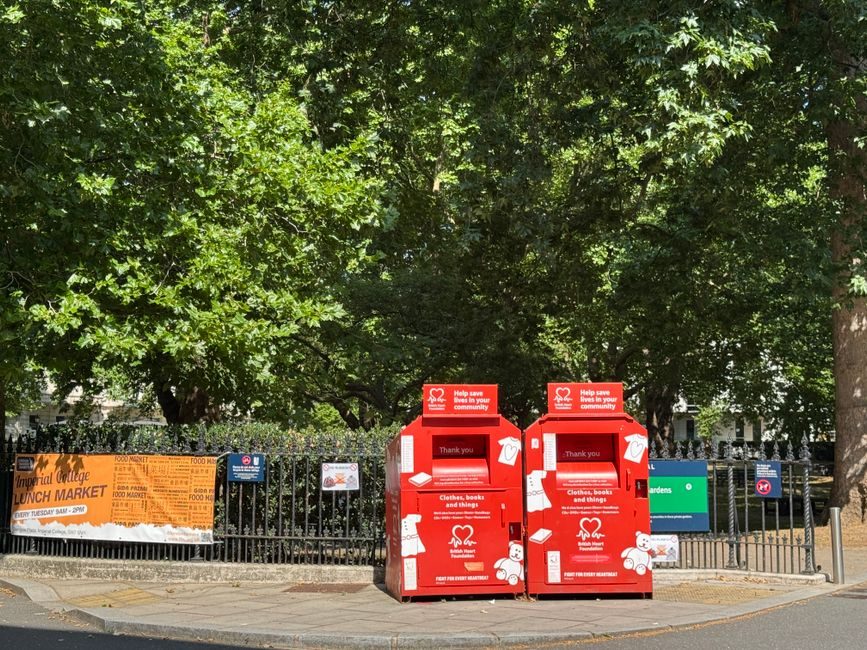
Use a mix of established event listings and the websites of venues or institutions in the area you want to visit. Local authority pages, cultural venues, libraries and museums may publish calendars for exhibitions, talks and public activities. Checking more than one source helps you find events that do not appear on broad ticketing platforms.
Search with a district or borough name and the type of event, then look for the organiser’s own page. Listings can be useful for discovery, but the original source is better for confirming whether an event is still scheduled. If the listing gives only a short description, use its venue or organiser details to continue checking.
Look at the date the information was posted or last updated, especially for seasonal markets and one-off community gatherings. An old calendar entry can remain visible after arrangements change. Where there is no recent confirmation, check the venue’s current events page or the organiser’s latest public update before making travel plans.
Ask around local networks
Community networks can point you towards small events that are promoted locally rather than through major listings. Neighbourhood groups, library noticeboards, residents’ associations and community centres may share events in their area. Treat a post as a lead, then verify the practical details with the named organiser or venue.
Check whether a community page is tied to the area you are searching and whether its posts include clear dates and locations. A lively discussion does not necessarily mean an event is open to everyone; some gatherings may be intended for members or require advance registration. Read the full information before deciding to attend.
When asking for recommendations, give useful context such as your preferred area, event type and whether you need an accessible venue. This makes suggestions more relevant and can prompt people to share details about local transport or entry arrangements. Confirm those details independently, since a helpful comment may refer to an earlier event.
Check venue and organiser information before you go
Confirm the event details
Before leaving, confirm the date, start time, venue address and entry arrangements on the organiser’s latest information. Check whether the advertised time is doors opening, a performance start or the beginning of a timed session. If information differs between listings, rely on the venue or organiser and contact them if the conflict remains unclear.
- Mistake: treating the listed start time as the door-opening time; better approach: check the event schedule.
- Mistake: assuming entry is automatic; better approach: confirm whether booking or registration is required.
- Mistake: relying on an old listing; better approach: verify details through the organiser or venue.
Read the event description for booking requirements, age guidance and any conditions that could affect your visit. Some activities need advance registration even when there is no admission charge, while others may have limited entry windows. Do not assume that a listing’s general description explains every rule for a particular session.
Look for a contact route or an update channel in case arrangements change. This is especially useful for outdoor events, where weather or site conditions can affect the programme. A final check on the day can confirm whether the event is running as planned and whether visitors should use a particular entrance.
| Source | Best for | Check |
|---|---|---|
| Venue website | Access and entrance | Event-specific directions |
| Organiser page | Schedule and booking | Latest event update |
| Event listing | Initial discovery | Date against original source |
| Community notice | Local gatherings | Who can attend |
Check access and arrival
Check the venue’s access information before you travel, including step-free entry, seating arrangements and any facilities relevant to your group. A venue’s general accessibility page may not describe every room or event setup, so look for event-specific details where possible. Contact the venue if an essential requirement is not clearly covered.
Confirm the exact entrance and allow time to find it, particularly at large cultural sites or venues with several entrances. A postcode alone may lead you to the wrong side of a building or a nearby entrance that is not open to event visitors. Use the venue’s directions and check the map before setting off.
Plan the route using current travel information rather than assuming your usual journey will work. Check nearby stations, bus options and any service updates, then consider how far you must walk from the stop to the entrance. For outdoor sites, also look for information about meeting points and what to do if you arrive late.
Compare an event’s location with the journey it requires, not just its distance from home.
Compare event options across London
Weigh journey against activity
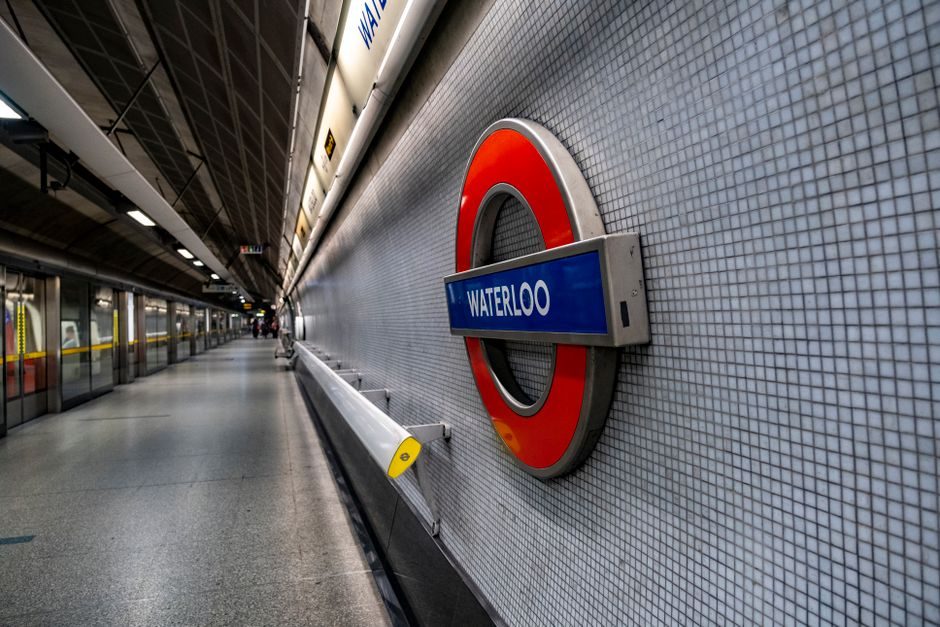
Compare an event’s location with the journey it requires, not just its distance from home. A venue near a direct Tube or rail connection may be easier to reach than one closer in miles but served by a complicated route. Check the return journey too, especially if the event finishes late or runs beyond its advertised end.
- Choose the event type and area that suit your plans.
- Compare the venue location with available Tube, rail and bus routes.
- Check the event schedule, access details and booking requirements.
- Confirm current travel information and the return journey before setting out.
Consider the whole outing when comparing events: the session length, arrival window and time needed to get around the venue can change how practical it feels. A short activity may not justify a complicated cross-city trip, while a longer programme could make the journey worthwhile. Choose according to the time you have available.
For visitors unfamiliar with London, compare options by the nearest useful station and the route from there to the venue. Check current TfL and rail service information before travelling, since planned works or disruptions can affect the simplest route. Keep an alternative journey in mind if the event depends on arriving at a fixed time.
Match plans to your group
Choose an event that fits the people attending, not only the topic that first caught your eye. Check age guidance, seating, access and whether the format expects visitors to stand, move around or stay for a full session. These practical details can determine whether a venue works for a family, friends or a solo visit.
Compare how much commitment each option requires before booking or travelling. A drop-in exhibition may allow a flexible arrival, while a performance or timed workshop can require punctuality and advance planning. If your group has different interests, look for a venue with nearby alternatives rather than expecting everyone to enjoy the same programme.
Be clear about what you still need to find out, and check it before plans are fixed. Ask the organiser about unclear entry or access arrangements, and make sure everyone has the same meeting point and start time. A little coordination reduces the chance of someone arriving at a different entrance or missing a booked session.
How organisers can reach people searching online
Make Event Pages Easy To Find
Give each event a clear page with its name, date, venue, start time and a concise description near the top. Use the wording attendees are likely to search for, such as a neighbourhood, venue type or activity. A page titled “community film screening in Hackney” is more informative than “Join us”.
- Put the event name, date and venue near the top of its page.
- Use clear language that reflects the activity and neighbourhood.
- Make the page the dependable source for updates.
Include the practical details people need before deciding: whether booking is required, who the event is for, accessibility information and what happens if plans change. Keep key information as text on the page rather than only in a poster image. That makes details easier to read on phones and clearer to search services.
Organisers who want to improve how people find an event online may find Seo Services useful when planning their digital promotion. Treat search visibility as one part of reaching an audience, alongside venue newsletters, community groups and relevant listings. The event page should remain the reliable source people can check when details are updated.
Share Through Relevant Channels
Choose online channels that match the event and its likely audience, rather than posting the same message everywhere. A local residents’ group may suit a neighbourhood clean-up, while a venue mailing list can reach people already interested in performances. Check each channel’s rules before publishing, especially where promotional posts are restricted.
Write a short announcement that states what is happening, where and when, then point readers to the full event page. Use a recent image that genuinely represents the event, but do not let a graphic replace essential information. If space is limited, prioritise the date, venue and booking instructions over decorative wording.
Share reminders at useful moments and update older posts if the venue, timing or booking status changes. Ask partners to link to the same event page rather than copying details into separate versions that may drift apart. After the event, remove or mark outdated listings so people do not mistake them for upcoming plans.
For organisers serving more than one city

Separate Each Local Audience
Create a distinct event page for each city when the venue, date or booking arrangements differ. A London reader should not have to work out whether a listing refers to a Leicester event, or vice versa. State the city and neighbourhood plainly, and make the location prominent in page titles and descriptions.
Organisers with a real presence in Leicester as well as London can use Leicester Seo Services as a relevant example of support for a specific local market. The underlying principle is to make each place’s information useful on its own. Do not imply a staffed local presence in a city where the organisation has none.
Use local details that help people make a decision, such as the venue’s nearest station or the event’s intended community, and check these facts for every city. Avoid simply swapping a city name into an otherwise identical page if the venue and arrangements are different. Accurate, distinctive details help visitors recognise which listing applies to them.
Coordinate Listings Across Cities
Keep a shared record of the confirmed details for every city, including the venue, event time, booking link and local contact route. Assign someone to check that record before posts go live. This simple review prevents a London announcement from accidentally carrying the date or travel information intended for another location.
If an event series travels between cities, label each stop clearly and make its individual booking arrangements easy to find. A single series page can introduce the wider programme, but it should direct visitors to separate listings for each date and place. Readers should never have to guess which ticket or venue applies to them.
Review listings on the platforms where audiences are likely to encounter them, not only on the organiser’s own site. Correct any outdated city details promptly and ask partner venues to refresh their copies too. Keep a record of where changes were made, so a later update does not leave one version behind.
Keep event details accurate across platforms
Use One Confirmed Source
Choose one event page as the definitive source, then check every listing against it before publishing. The date, start time, venue name and booking details should match across the organiser’s website, venue pages and community calendars. Local Seo Services may help event venues and businesses keep their location details consistent where residents look for practical information.
Store the confirmed details in a shared document that the people posting updates can access. Include the exact venue name and address as the venue provides them, plus the event’s access arrangements and a route for questions. Mark uncertain details clearly for internal checking rather than publishing a guess that readers may rely on.
When a change is confirmed, update the central page first and then work through the other places where the event appears. Tell ticket holders directly if a change affects their plans, and ask partner organisations to correct their listings. A consistent update trail reduces confusion for visitors checking details while travelling across London.
Check Access And Travel Details
Confirm practical travel information with the venue before publishing it, especially if a nearby station or entrance is mentioned. London transport conditions can change, so direct attendees to check current TfL updates before setting out rather than promising a route will be unaffected. Give the venue’s own directions as well, including any step-free access information it confirms.
Explain any entry requirements in plain terms, including booking, age limits, identification or arrival instructions where these apply. If access arrangements vary by room or performance, say so and provide a clear way to ask the organiser or venue. Avoid vague assurances such as “fully accessible” unless the details have been checked and can be explained.
Check the event information again shortly before it takes place, since building access, room assignments and transport connections may change. If a detail cannot be confirmed, say where attendees can find the latest update. Visitors should be able to distinguish firm arrangements from advice they need to verify on the day.
Watch for misleading listings and last-minute changes
Spot Unreliable Event Posts
Check who published a listing and whether the venue or organiser confirms the same event details. Be cautious if a post gives no clear location, uses a booking link that does not identify the event, or promises arrangements absent from the venue’s own information. Search for the event title and venue together to compare the available details.
A listing may be outdated rather than deliberately misleading, so look for a publication or update date and check the organiser’s latest announcement. If the event page and a community post disagree, rely on a direct confirmation from the organiser or venue before travelling. Do not assume that a prominent result is automatically the most current one.
Watch for requests to pay through an unfamiliar route or to share sensitive information that is not needed for attendance. Verify ticket arrangements through the organiser’s official page or the venue, and avoid forwarding an unconfirmed cancellation notice. If you find conflicting information, contact the named organiser using details published independently of the questionable post.
Respond Clearly When Plans Change
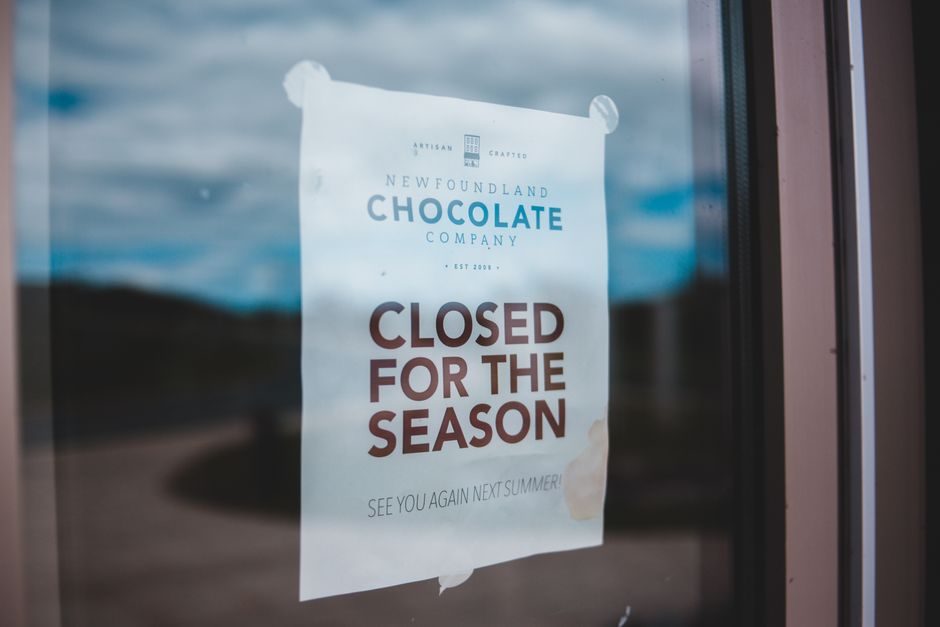
If an event is delayed, moved or cancelled, publish a direct update on the main event page and every active channel. State what has changed, when the update took effect and what attendees should do next. Avoid leaving an old promotional post visible without a clear correction, because readers may find it before the newer notice.
For booked events, contact ticket holders through the channel used for their booking and explain any available next steps. If the venue changes, include its confirmed name and directions, then check that maps and partner listings no longer point visitors to the original location. Keep the message factual and do not speculate about unresolved arrangements.
After the immediate update, review the remaining listings and correct or remove details that could misdirect people. Keep a record of the change and the channels updated, particularly when several partners promoted the event. Once plans are settled, make the final arrangements easy to find without requiring readers to piece together old posts.
Frequently asked questions
How can I find free events near me in London?Search local council, library, museum and community-centre listings, then check the organiser’s page for any booking conditions. Some free events still require advance registration or have limited capacity, so confirm before travelling. Use the venue’s location details to judge whether the journey works for you, and check for updates on the day if the event is outdoors.
What should I check before travelling to an event?Confirm the date, start time, venue and entrance using the latest information from the organiser or venue. Check whether you need a ticket, whether late entry is allowed and what access arrangements are available. Look at current TfL information for your route, especially if you are crossing London, and leave time to handle a station or service disruption.
Where can I find events for families in London?Try listings from local libraries, museums, parks, cultural venues and family-focused community organisations in the borough you plan to visit. Read the event information for age guidance, supervision requirements, booking and accessibility details rather than assuming an activity suits every child. Confirm the venue and travel information directly before setting out, particularly for events held outdoors.
How do I know whether an event listing is current?Look for a recent update and compare the listing with the organiser’s or venue’s own page. Check that the date, time and location agree, and contact the organiser if there is a conflict or an important detail is missing. A third-party calendar can help you discover an event, but direct confirmation is safer before making a journey or booking.
Make Your Next London Outing Count
Finding a suitable London event is only the first step; confirm the venue, timing, booking requirements and access details before you set off. Use local listings to discover options, then treat the organiser or venue page as the place to verify them. For organisers, clear event pages and consistent updates make it easier for residents and visitors to find the right information.
Choose one event that fits your interests and travel plans, then check its current details directly with the organiser before leaving home. If you are promoting an event, review every listing against one confirmed source and correct changes wherever they appear. That small final check can save attendees a wasted journey and help them arrive with confidence.
Add News Post as a preferred source on Google


