
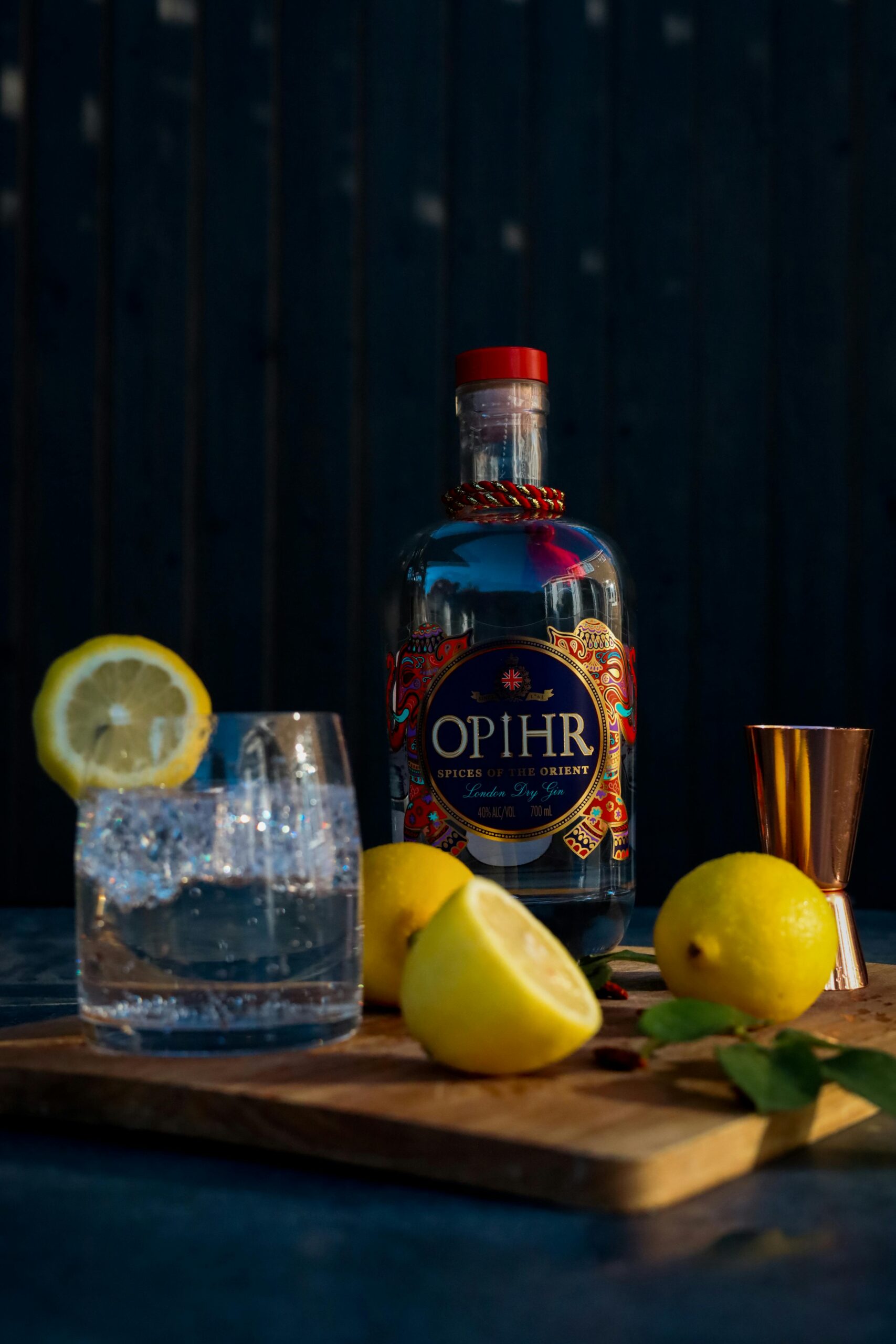
Are you a fan of the sophisticated world of London Dry gin? This iconic spirit, known for its crisp and refreshing flavour, has been captivating palates for centuries. But what truly sets London Dry gin apart from other gins? If you’ve ever wondered why it’s the choice of mixologists and gin lovers alike, you’re in for a treat! Picture yourself enjoying a perfectly mixed gin and tonic, garnished with a slice of lime, or perhaps sipping on a classic Martini. Did you know that the key to its distinctive taste lies in the botanicals used during distillation? From juniper berries to aromatic herbs, each ingredient plays a vital role in crafting this exceptional spirit. Not only has London Dry gin become a staple in bars around the world, but it also boasts a rich history that dates back to the 19th century. Have you explored the burgeoning craft gin scene that’s exploding in popularity? Join us as we delve into the fascinating world of London Dry gin, uncovering its secrets and celebrating its versatility in cocktails. Whether you’re a seasoned connoisseur or a curious novice, there’s always something new to discover!
Unveiling the Craft: How Traditional Techniques Define the Unique Flavour of London Dry Gin
Gin, particularly gin london dry, is one of those spirits that you either love or you just don’t get. It’s like marmite, innit? So anyway, where do we even start with this classic drink? Maybe it’s just me, but I feel like it’s got this fancy reputation that sometimes, just sometimes, feels a bit over the top. You know, like when people wear bow ties to a barbecue.
Let’s dive right into the history of this beloved spirit. Gin originally started off as a medicinal tonic in the 17th century. Yep, you heard that right! Back then, it was more about health than getting tipsy. Old Dutch distillers were the first to play around with juniper berries and other botanicals, which is kinda interesting, but also makes you wonder how they figured all that out. Did someone just throw a bunch of herbs in a pot and hope for the best? Guess we’ll never know.
The term gin london dry refers to a specific style of gin that’s usually got a more pronounced juniper flavour. It’s dry, obviously, but what does that even mean? It’s not like they’re serving it with a side of biscuits. Dry gin has less sugar than its sweeter counterparts, making it a popular choice for cocktails. I mean, who wouldn’t want a drink that sounds like it’s got its life together?
Now, let’s chat about the botanicals. You’ve got your juniper, of course, but there’s also coriander, angelica root, and sometimes even some exotic stuff like licorice and citrus peels. It’s a bit of a botanical party in a bottle, really. Some distillers will even claim their own secret recipes. Like, come on, do we need another secret? It’s not like we’re trying to unlock the Da Vinci Code here.
Speaking of distillers, did you know that there’s a whole world of craft gin makers popping up? It’s like every hipster in London decided to take up distilling as a hobby. You’ve got the big names like Tanqueray and Bombay Sapphire, but then there’s also a bunch of smaller brands that are shaking things up. Not really sure why this matters, but apparently, people are all about supporting local these days.
Now, let’s get down to the nitty-gritty of how to enjoy your gin london dry. First off, it’s all about the tonic. You don’t wanna just go slapping any old tonic water into your gin. The ratio is crucial! A good starting point is one part gin to three parts tonic, but hey, you do you. If you want to float on the wild side and add more gin, who’s stopping you? Just don’t come crying to me when you’re regretting life choices the next day.
Here’s a handy little list of popular mixers you might wanna try with your gin london dry:
- Fever-Tree Mediterranean Tonic: A classic choice, it adds a nice touch of flavour without overpowering the gin.
- Elderflower Tonic: If you’re feeling a bit fancy, this one’s for you. It’s floral and sweet, like a summer garden party in a glass.
- Pink Grapefruit Soda: For those who like a bit of a zing, this will give your gin a refreshing twist.
And if you’re feeling adventurous, why not throw in some cool garnishes? I mean, it’s not just about the taste; it’s also about the Instagrammable factor, right? Here’s some ideas:
- Fresh rosemary sprig
- A slice of cucumber
- A handful of berries
- A twist of lemon peel
Now, let’s talk about the classic cocktails. If you’re into mixing things up, you can’t forget about the gin and tonic, obviously. But there’s also the Negroni and the Gin Fizz. Both are pretty popular, and honestly? They’re a bit easier than they sound. Just remember, practice makes perfect, or at least it makes it tolerable.
Here’s a quick breakdown of a simple recipe for a Gin Fizz:
| Ingredient | Quantity |
|---|---|
| London Dry Gin | 50ml |
| Fresh Lemon Juice | 25ml |
| Simple Syrup | 15ml |
| Soda Water | To top up |
| Ice | Lots, trust me! |
Mix the gin, lemon juice, and syrup in a shaker with ice. Shake it like you mean it, pour it over ice in a glass, and top it off with soda water. Voila! You’ve got yourself a refreshing drink that’ll impress your mates— or at least distract them from the fact that you burnt the chips.
And there you have it
The Botanical Blend: 5 Key Ingredients That Elevate London Dry Gin to Iconic Status
When we talk about gin london dry, we’re diving into a world that’s rich in history and flavour. Now, gin’s been around for ages, but London Dry gin is kind of like the posh cousin of regular gin, you know? Not really sure why this matters, but it does. It’s got this crisp, clean taste that makes it super popular in cocktails and on its own.
Let’s break it down a bit. First off, the term “London Dry” doesn’t mean the gin’s made in London, but it does mean that it’s made using a specific distillation process. It’s like saying you can have a “London Fog” latte without ever stepping foot in the UK. Crazy, right? The gin needs to be distilled with botanicals, and there can’t be any sweetening agents after distillation. So, if you’re thinking about getting your hands on a bottle, make sure it’s the real deal.
Here’s a quick list of the key characteristics of gin london dry:
- Botanicals: Juniper berries are the star of the show, but you’ll find all sorts of other plants and spices in there too.
- No Sugars: Unlike other gins, London Dry can’t have any added sugar after distillation. That’s why it’s dry, duh.
- Distillation: This gin’s distilled in a way that captures those botanical flavours perfectly, giving it that crispness everyone raves about.
One thing to note is that not all gin is created equal. Some folks might prefer a sweeter style, and that’s okay. But if you’re in the mood for something that packs a punch without the sugar, gin london dry is the way to go.
Speaking of preferences, let’s talk about some popular brands that are making waves in the gin world. Here’s a nifty little table of some of the top contenders:
| Brand | Alcohol by Volume | Key Botanicals |
|---|---|---|
| Beefeater | 40% | Juniper, coriander, citrus |
| Tanqueray | 43.1% | Juniper, liquorice, angelica |
| Bombay Sapphire | 40% | Juniper, almonds, lemon zest |
| Sipsmith | 40.5% | Juniper, orris root, cinnamon |
So, when you’re standing there in a shop, staring at the shelves filled with bottles of gin london dry, you might be struck by the sheer amount of choices. Maybe it’s just me, but I feel like you could get lost in there for hours. And what’s with all these fancy labels? It’s like they think they can lure you in with a pretty bottle.
Now, let’s chat about the perfect serve. The classic gin and tonic is a no-brainer, right? But there’s more to life than that. You could try a Negroni, which is a mix of gin, vermouth, and Campari. Sounds posh, but it’s really just a fancy way to say “I’m enjoying life.” Or maybe, just maybe, you’re in the mood for a gin fizz? All you need is gin, lemon juice, sugar, and soda water. Easy peasy.
Here’s a quick rundown of some cocktail recipes you can whip up using gin london dry:
Classic Gin and Tonic
- Ingredients: 50ml gin, 150ml tonic water, lime wedge
- Method: Pour gin over ice, top with tonic, and garnish with lime.
Negroni
- Ingredients: 25ml gin, 25ml vermouth, 25ml Campari
- Method: Stir all ingredients with ice and strain into a glass.
Gin Fizz
- Ingredients: 50ml gin, 25ml lemon juice, 15ml sugar syrup, soda water
- Method: Shake gin, lemon juice, and sugar syrup with ice, strain, and top with soda.
You know, it’s kind of funny how gin has this reputation of being a “sophisticated” drink, but let’s be honest — it’s just alcohol. At the end of the day, whether you’re sipping a fancy cocktail or knocking back a London Dry gin with tonic, it’s all about enjoying the moment.
And just to throw a curveball, did you know that there’s a gin for every season? Yeah, I know it sounds ridiculous, but it’s true. In the summer, you might want something light and fruity, while during the winter, a spiced gin could really hit the spot. It’s like dressing your drink for the occasion, so to speak.
Oh, and if you
From Distillation to Tasting: A Step-by-Step Journey Through the Making of London Dry Gin
Gin, ahh, the beloved spirit that’s taken the world by storm, eh? In particular, gin London dry has carved its niche in the hearts of many. I mean, who doesn’t enjoy a good G&T on a summer’s day, right? But, maybe it’s just me, but I feel like there’s a bit more to this whole gin thing than just mixing it with tonic water.
Let’s dive a little deeper into this delightful drink, shall we? So, first things first, what even is London dry gin? Well, it’s a style of gin that is distilled in a specific way, using pure botanicals and no added sugar. It’s crisp, it’s refreshing, and it packs a punch. You know, the kind of drink that makes you feel all fancy-like, even if you’re just sitting in your garden wearing your old slippers.
Now, here’s the thing: the term “London dry” is a bit misleading. You don’t have to be in London to make it, and not all gins from London are dry. It’s kind of like calling a cupcake a muffin, isn’t it? Not really sure why this matters, but it’s a fun fact to throw out at parties.
Here’s a table to break down some key characteristics of gin London dry:
| Characteristic | Description |
|---|---|
| Base Spirit | Neutral grain spirit that’s distilled to a high proof. |
| Botanicals | Juniper, coriander, angelica root, and other herbs. |
| Sugar Content | Must have no more than 0.1g of sugar per litre. |
| Distillation Process | Distilled with botanicals in the same still. |
Now, if you’re wondering which brands to keep an eye out for, here’s a little list of some popular London dry gins that’s worth checking out:
- Tanqueray – Classic and smooth, it’s like the old faithful of gins.
- Beefeater – They’ve been at it since the 1860s, and who can argue with history?
- Bombay Sapphire – Pretty bottle, even prettier gin, if I may say so.
- Hendrick’s – Infused with cucumber and rose petals, which is just posh, innit?
- Sipsmith – They’ve got that artisanal vibe going on, which is always a plus.
But, here’s the kicker: not all London dry gins are created equal. Seriously, some taste like they’ve been distilled in a sock! I mean, who knew there could be such a broad spectrum of flavour when it comes to gin? From citrusy and floral to earthy and spicy, it’s like a botanical adventure in every sip.
And let’s talk about cocktails. Gin is like the chameleon of the drink world, fitting in with just about anything. You got your classic gin and tonic, which is a staple, but have you tried a Negroni? It’s equal parts gin, Campari, and sweet vermouth, and it’s not for the faint-hearted. Or how about a French 75? That’s gin, champagne, and lemon juice, and it’ll make you feel like you’re sipping on royalty, maybe.
Now, if you’re keen to experiment with your own gin London dry, here’s a simple recipe for a refreshing gin fizz – because who doesn’t love fizz?
Gin Fizz Recipe
Ingredients:
- 50ml London dry gin
- 25ml fresh lemon juice
- 15ml simple syrup (just mix sugar and water)
- Soda water
- Lemon slice for garnish
Instructions:
- Shake the gin, lemon juice, and simple syrup with ice.
- Strain into a glass filled with ice.
- Top with soda water.
- Garnish with a lemon slice and enjoy!
There’s just something about a good gin fizz that makes you feel like you’re on holiday, even if you’re sat at home binge-watching your favourite series.
Now, I know this might be a bit controversial, but let’s address the elephant in the room: some people think gin is a bit too strong. I mean, yes, it can be, but if you mix it right, it can be a delightful experience. Maybe it’s just me, but I feel that if you’re sipping on a quality London dry gin, it’s worth the little kick!
So, next time you’re out and about or just chilling at home, give gin London dry a go. Whether you’re sipping it neat, with tonic, or in a fancy cocktail, just remember to enjoy it. Life’s too short to
Why London Dry Gin Is Making a Comeback: Exploring Trends and Innovations in the Gin Industry
Gin London Dry – a spirit that’s as classic as a rainy day in London, right? I mean, who doesn’t love a good gin and tonic? But let’s not get ahead of ourselves. There’s a bit more to this whole gin thing than just mixing it with tonic water and slapping a lime wedge on top, if you know what I mean. So, grab your glass and settle in as we dive into the quirky world of gin london dry.
First off, what is London Dry Gin? Well, it’s not just any gin, folks. It’s a specific style of gin, distilled in a very particular way. The term ‘London Dry’ doesn’t mean it has to come from London, it’s more about the way it’s made. You see, it’s all about the distillation process, which must include a certain amount of juniper – that’s the berry that gives gin its signature flavour. And let’s be real, if there’s no juniper, is it even gin? Not really sure why this matters, but hey, we like to keep it real in the gin world.
Now, let’s break down the gin london dry production process, shall we? Here’s a little table to help you wrap your head around it:
| Step | Description |
|---|---|
| 1. Base Spirit | Starts with a neutral grain spirit. |
| 2. Botanicals | Juniper and other herbs are added. |
| 3. Distillation | Distilled with a careful eye. |
| 4. Proofing | Water is added to achieve desired ABV. |
| 5. Bottling | Ready to hit the shelves! |
So, there you have it, the basics of making gin london dry. But, hold up – it’s not just the process that matters. Oh no, it’s also about the flavours. You can find all sorts of botanicals in the mix, from coriander to angelica root, and maybe even some weird stuff like cucumber or rose petals. I mean, who thought of putting a cucumber in gin? Maybe it’s just me, but I feel like we’re getting a bit carried away here.
Now, speaking of flavours, let’s talk about the best way to actually enjoy this stuff. A classic gin and tonic is always a safe bet, but why not jazz it up a bit? Here’s a list of creative ways to enjoy your gin london dry:
- G&T with a Twist: Add some elderflower cordial for a floral touch.
- Cucumber Cooler: Muddle fresh cucumber and mint for a refreshing sip.
- Negroni: Equal parts gin, vermouth, and Campari. A bit bitter, but hey, some folks love it.
- Gin Fizz: Mix with lemon juice and soda water for a fizzy delight.
You know, it’s kinda funny how gin has made such a comeback over the last few years. Once upon a time, it was considered a bit of a cheap drink, but now it’s like, the hipster darling of the spirits world. There’s even gin festivals popping up everywhere – it’s like, seriously, how many gins can one person taste in a day? Not sure if that’s a challenge or a disaster waiting to happen.
But don’t get me wrong, I’m all for celebrating the gin london dry renaissance. I mean, who doesn’t love a good craft gin? There’s something magical about small-batch distilleries creating unique blends. Just imagine sitting in a trendy bar, sipping a bespoke gin cocktail while pretending you’re a connoisseur. It’s all very posh, innit?
Now, let’s not forget about pairing. Yes, I said pairing. Just like wine, you can pair gin with food. Here’s a quick run-down of some pairings that might just blow your mind:
- Seafood: The brininess of oysters goes well with a fresh gin.
- Cheese: A creamy brie can be heavenly with a herbal gin.
- Chocolate: Dark chocolate and gin, who would’ve thought?
And while we’re on the subject of food, let’s talk about gin cocktails. There’s a million recipes out there, but some are just classics for a reason. For example, the Martini – gin, vermouth, and a twist of lemon. Simple, yet sophisticated. Or how about a Gimlet? Equal parts gin and lime juice, shaken not stirred. You know, to sound all James Bond-ish.
But I digress. The world of gin london dry is vast and full of surprises. It’s one of those spirits that can be enjoyed in so many ways, and honestly, it’s hard to keep track. One minute you’re
The Perfect Serve: 7 Classic Cocktails That Showcase the Versatility of London Dry Gin
When it comes to the world of spirits, few drinks have the same charm as gin london dry. I mean, let’s be honest, it’s like the cool kid at the party, always dressed to impress and never turning down a good tonic. But what is it about this particular type of gin that makes it so special? Not really sure why this matters, but it’s worth diving into, aye?
The Basics of Gin London Dry
First off, let’s break it down. Gin london dry is not just any gin. It’s, um, a style that’s known for its crisp and clean flavour profiles. The key here is the juniper berries, which gives it that signature taste. You know, the one that makes you feel all sophisticated while sipping on it. Other botanicals are often added, like coriander and angelica root, but juniper is the star of the show.
Here’s a nifty little table that outlines the main differences between various types of gin:
| Type of Gin | Key Characteristics |
|---|---|
| London Dry Gin | Strong juniper flavour, no added sugars |
| Plymouth Gin | Slightly sweeter, softer taste |
| Old Tom Gin | Noticeably sweeter, often used in cocktails |
| Navy Strength Gin | Higher alcohol content, very robust flavour |
See, it’s all about knowing your gin. If you’re out at a bar, you might wanna ask for gin london dry instead of just any old gin. You’ll look like you know what you’re talking about, and who doesn’t want that?
The History of Gin London Dry
So, where does this all come from? The history of gin london dry is a bit murky—like a gin & tonic that’s been sitting on the table for too long. It’s believed to have originated in the 19th century, in London, obviously. It was a time when people were trying to make drinks that didn’t taste like, well, rubbish. Not that gin was perfect back then, mind you. It was often mixed with all sorts of questionable ingredients.
In fact, it was during the gin craze that people were drinking this stuff like there was no tomorrow. It’s a wonder folks didn’t just keel over from all the bad batches. But then came the gin laws, and voila, we had gin london dry as we know it today. A bit of regulation never hurt anyone, right?
How to Enjoy Gin London Dry
Now that we’re all schooled on the basics, let’s get into the fun part: how to enjoy gin london dry. You could go the classic route—gin and tonic, obviously. But let’s spice things up a bit. Here’s a list of some ways to enjoy your gin london dry:
- Classic G&T: Just mix it with tonic water and a slice of lime. Simple and effective.
- Negroni: A mix of gin, Campari, and sweet vermouth. It’s got that bittersweet kick that can be surprisingly delightful.
- Martini: Because who doesn’t want to feel like James Bond for a night? Just remember — shaken, not stirred, unless you’re feeling adventurous.
- Gin Fizz: A refreshing mix of gin, lemon juice, sugar, and soda water. Perfect for summer days.
You could probably just drink it neat, if you’re feeling fancy, but maybe that’s just me.
The Botanicals Inside Gin London Dry
Let’s not forget about the botanicals—the unsung heroes of gin london dry. They can vary from brand to brand, and that’s what makes tasting different gins a bit of an adventure. Some common botanicals are:
- Juniper berries
- Coriander seeds
- Angelica root
- Citrus peels
- Cardamom
Each distillery has its own secret recipe, kinda like how grandma used to make her famous cookies, but maybe not quite as sweet. You might find some brands throwing in unusual botanicals like cucumber or rose petals, which is a bit wild, if you ask me.
The Perfect Serve
There’s a whole ritual to serving gin london dry that’s kinda fun. You need the right glass, ice, and garnishes. Here’s a quick rundown:
- Glass: A highball or copa glass is ideal.
- Ice: Use large ice cubes to prevent dilution.
- Tonic: Choose a quality tonic water—don’t skimp, trust me.
- Garnish: Go for a slice of lemon, or if you’re feeling extra—maybe some fresh herbs.
Make sure you serve it cold, or else it’s
Conclusion
In conclusion, London Dry Gin stands as a quintessential spirit, celebrated for its distinctive botanical blend and crisp, refreshing character. Throughout this article, we have explored its rich history, from its origins in the early 19th century to its current status as a staple in bars and homes worldwide. The meticulous distillation process, combined with the importance of quality ingredients, contributes significantly to its flavour profile, making it a favourite among gin enthusiasts. We also touched on the versatility of London Dry Gin in cocktails, from the classic gin and tonic to innovative modern concoctions. As the gin renaissance continues, there has never been a better time to explore the diverse offerings of London Dry Gin. So, why not indulge your taste buds by visiting a local distillery or experimenting with your own gin cocktails at home? Raise a glass to the enduring charm of this iconic spirit!